FREQUENTLY ASKED QUESTIONS: GENERAL

What is a drug?
Drugs are any chemical substance used in the treatment, cure, prevention, or diagnosis of diseases or used to otherwise enhance physical or mental well-being.
Drugs of Abuse can be any chemical/drug, natural/synthetic, which acts on the brain and influence either thinking/ perception, feelings/emotions, behaviors individually or coordination of all these functions”. They are also called as ‘Psychoactive Substances’.

The drug use pattern in any individual/community can be as follows:
1. Abstinent: A large number of the general population do not take any drug of abuse. They remain abstinent.
2. Social use: This includes casual drinking/ drug use in a social setting without an intent to get drunk/ intoxicated. Culture and societal values also determine the definition of social use. For example: In our country, in some communities, alcohol is served as a beverage in their marriage and other celebrations. But in certain communities alcohol use is strictly prohibited.
3. Hazardous use: Hazardous use is a pattern of substance use that increases the risk of harmful consequences for the user. Some would limit the consequences to physical and mental health (as in harmful use); some would also include social consequences. In contrast to harmful use, hazardous use refers to patterns of use that are of public health significance despite the absence of any current disorder The drug use pattern in any individual/community can be as follows in the individual user. This is not a commonly used terminology.
4. Harmful use: This is a pattern of psychoactive substance use that is causing damage to health. The damage maybe
    a. physical (e.g. hepatitis following injection of drugs) or
    b. mental (e.g. depressive episodes secondary to heavy alcohol intake).
    c. Harmful use commonly has adverse social consequences
This pattern of drug/ alcohol use can be of a significant public health concern as it may harm the individuals, their significant
others and their community at large.
5. Dependence/ Addiction: This pattern is the most severe form of drug abuse. It includes a cluster of behavioral, psychological and physiological symptoms and signs that may develop after repeated substance/drug use. There will be significant dysfunction in most of the dimensions (personal, family, social and occupational) of the person’s life due to the drug use related behaviors.
Although any person who uses drugs may evolve over from social use to addiction, it needs to be kept in mind that not all those who have social use will develop an addiction.

According to International Classification of Diseases (ICD)-10 a definite
diagnosis of dependence should usually be made only if 3 or more of
the following symptoms/ signs have been present together at some time
during the previous year:

(a) a strong desire or sense of compulsion to take the substance.

(b) difficulties in controlling substance-taking behavior in terms of its onset, termination, or levels of use.

(c) a physiological withdrawal state when substance use has ceased or been reduced, as evidenced by: the characteristic withdrawal syndrome for the specific drug or substance; or use of the same (or a closely related) substance with the intention of relieving or avoiding withdrawal symptoms.

(d) evidence of tolerance, such that increased doses of the drug/substances are required in order to achieve effects originally produced by lower doses

(e) progressive neglect of alternative pleasures or interests because of drug/ substance use, increased amount of time necessary to obtain or take the substance or to recover from its effect.

(f) persisting with substance use despite clear evidence of overtly harmful consequences, such as harm to the liver through excessive drinking, depressive mood states consequent to periods of heavy substance use, or drug-related impairment of cognitive functioning.

According to International Classification of Diseases (ICD)-10 a definite
diagnosis of dependence should usually be made only if 3 or more of
the following symptoms/ signs have been present together at some time
during the previous year:

(a) a strong desire or sense of compulsion to take the substance.

(b) difficulties in controlling substance-taking behavior in terms of its onset, termination, or levels of use.

(c) a physiological withdrawal state when substance use has ceased or been reduced, as evidenced by: the characteristic withdrawal syndrome for the specific drug or substance; or use of the same (or a closely related) substance with the intention of relieving or avoiding withdrawal symptoms.

(d) evidence of tolerance, such that increased doses of the drug/substances are required in order to achieve effects originally produced by lower doses

(e) progressive neglect of alternative pleasures or interests because of drug/ substance use, increased amount of time necessary to obtain or take the substance or to recover from its effect.

(f) persisting with substance use despite clear evidence of overtly harmful consequences, such as harm to the liver through excessive drinking, depressive mood states consequent to periods of heavy substance use, or drug-related impairment of cognitive functioning.

Alcohol is the most common psychoactive substance used by Indians. Nationally, about 14.6% of the population (between 10 and 75 year of age) uses alcohol. In terms of absolute numbers, there are about 16 crore persons who consume alcohol in the country. The prevalence of dependent patterns of alcohol use in the general population (10—75 years) is estimated to be 2.7%, or 2.9 crore individuals.
No. Only a certain subset of the users become addicted to it.

The following are some examples of people who are at risk of developing addiction
1. Those who start drugs / substances under 19 years of age have a higher chance of getting addicted.
2. Persons with history of mental illness.
3. Persons with family history of addiction or mental illness.
4. Those children who undergo significant stress in the form of poverty, violence in family and neighborhood, poor nutrition, physical/emotional/sexual abuse, poor parenting, etc during the development years.
5. Those who are with poor impulse control/ disturbed emotional regulations/ high thrill seeking behavior/ low perception of dangers in drug use.

Some of the followings are probable indicators in a person for drug/substance abuse:
Sudden change in behavior and mannerism, frequent change of friends – who family doesn’t know/ approve, unnecessary anger, unsatisfactory explanation, withdrawn behavior (especially with family), disinhibition, depression, mood instability, and apathy, suddenly beginning to come home late, unusual and violent behavior following trivial arguments or simple requests, sense of vulnerability and emotional instability, lack of motivation to any necessary activity, slurred speech/ communication difficulty, multiple thefts or missing personal items., neglect of personal hygiene and appearance and adoption of unusual dress habits.

Motivation is a dynamic phenomenon. Same person who resists quitting drugs of abuse once might be willing to quit later. The different stages of motivation are as follows
a. Pre-contemplation: Person is not ready to consider a change or unaware of the need to change; sometimes demoralized.                                 

b. Contemplation: Ambivalent; Person both considers and rejects change.

c. Preparation: Person is open to change and preparing for change.

d. Action: Person is engaging in actions with the intention of bringing about change.

e. Maintenance: Person is maintaining a change that has already been made.

FREQUENTLY ASKED QUESTIONS: ALCOHOL

What is alcohol?
When we say alcohol, it generally means the alcohol found in beer, wine and spirits. It is the ingredient in these drinks that makes people drunk. Alcohol is an organic compound containing at least one hydroxyl group (-OH). Ethanol and Methanol are different forms of alcohol. The form which people usually consume is ethanol.
An alcoholic drink that contains ethanol is made by fermentation of grains, fruits or other sources of sugar. The agents that are required for the fermentation of alcohol are sugar (or starch to form glucose), water, heat, fermenting agents (usually the yeast) and air.
  • Budget & IFD

  • To be consulted in formulation of schemes, annual plans, vision document, OOMF, Gender budgeting, PPP, EAP, Niti Aayog issues, enabling policy & regulatory framework to attract private sector funds.

  • PAC, EFC, and SFC of the department in conjunction with the concerned Joint Secretary and Standing Committee work related to Demands for Grants.

  • Release of funds as per budgetary support, audit paras,

Effects of alcohol differ from person to person, it may take longer for some to have the effect of intoxication and for some, it may show intoxication effect even after 1 drink. Usually, they may begin to show signs of intoxication when their blood alcohol level reaches 0.05%. Following impairment occurs at the different blood alcohol content
Alcohol directly affects multiple organs of the body like the brain, heart, pancreas, immune system but it most commonly affects the liver. It is one of the common causes of road traffic accidents and head injuries. and if taken heavily for a longer period of time can lead to non communicable diseases like liver diseases, heart attack, stroke, cancer. etc.
According to the National Institute of Alcohol Abuse and Alcoholism, for men no more than 4 drinks per day coupled with no more than 14 drinks per week and for women no more than 3 drinks per day coupled with no more than 7 drinks per week is acceptable low-risk drinking. (1 drink equals around 30ml of alcoholic beverage.)
The legal limit of driving after alcohol use is 0.03% per 100ml blood.
Punishment for drunk driving is a fine of rupees 10,000 and/or jail for 6 months.
The legal drinking age is different in different states in India however most states have 21 years as the legal age of drinking.
For pregnant women, it is strongly advised not to drink any alcohol during the time of pregnancy because it can affect the growth of the fetus.
The response of alcohol in the body differs from person to person and also the quantity and frequency of alcohol people are using. As long as they are using within the acceptable range the problem is minimum. When the quantity exceeds the limits, the problem may occur.
Alcohol is considered a social drink. Due to the stigma associated with alcohol in society people do call any person who uses alcohol as alcoholic which may not be correct, if any person faces any problem (Physical, mental or social) due to alcohol use, he/she may be called as a person with alcohol use disorder which is same like any other medical disorder.
When using alcohol is causing either physical or mental harm to you or to others due to your alcohol use then it becomes a problem.
Alcohol passes freely into breastmilk. Chronic exposure may have an effect on the development of the child.
Problems due to alcohol use is like any other medical illness and it is treatable. Please contact the psychiatrist as soon as possible.

FREQUENTLY ASKED QUESTIONS: TOBACCO

How many people in India use tobacco? How many of them are addicted to tobacco?
28.6% of people above the age of 15 years use tobacco, according to the Global Adult tobacco Survey-2 (GATS-2) done in 2016-17. More people use smokeless tobacco (21.4%) than smoking tobacco (10.7%). Men use tobacco more (29.6%) than women (12.8%) in any form.
People in India use tobacco in both smoking and smokeless forms. Smokeless tobacco is the most common way of using tobacco in India. Smokeless tobacco may be in the form of khaini (most common), chewing tobacco, paan (betel leaf, betel quid, tobacco), gutkha, zarda, kiwam, mawa, mishri, etc. Bidi and cigarette smoking are the most common form of smoking tobacco in India. Other ways are smoking cheroot, pipes, chillums, hookahs, etc.
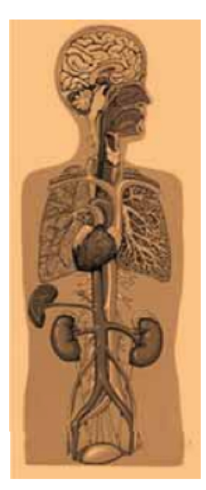
Tobacco use can adversely affect almost all systems in the body. These effects can be summarized in the following image:
Adverse effects associated with tobacco use
Brain: strokes
Skin, eye and ear diseases: psoriasis, cataract, macular degeneration, ear infections
Respiratory system: cancer, tuberculosis, asthma, COPD, interstitial lung disease
Bones: brittle bones, osteoporosis
Immune system: reduced immune response, increased infection
Human body showing adverse effects of tobacco
Physical appearance: premature ageing, alopecia, tooth decay
Oro-pharynx/larynx: inflammation, ulcers, precancerous and cancers
Heart and circulatory system: hypertension, heart disease, heart attacks, coronary and other artery disease, peripheral vascular disease
Cancers: pancreas, kidney, urinary bladder
Sexual and reproductive system: erectile dysfunction (men), impaired menstrual cycle, early menopause (women), reduced fertility, cancers
Pregnancy and babies: miscarriages, stillbirths, pre-term delivery, low birth weight, sudden infant death syndrome, developmental impairments
(Source: Helping People Quit Tobacco: A Manual for Doctors and Dentists by WHO)
No. Smokeless tobacco may wrongly be considered to be safe. However, use of smokeless tobacco is also associated with many adverse effects. These include effects on the brain (like stroke), on heart (hypertension, angina, coronary heart disease, peripheral vascular disease), effects on mouth in the form of loss of taste sensation, staining of teeth, dryness and ulcers and diseases like cancers of mouth, esophagus, pancreas, etc.
No. Use of betel nut/ areca nut has also been found to be associated with addiction. It’s reinforcing effects are due to arecoline, which has effects similar to nicotine.
Second hand smoking is passive inhalation of the smoke by people around the smokers from the burning end of cigarette or bidi as well as the smoke breathed out by smokers. It is also known as passive smoking.
The term third hand smoke is used for the remnants on various surfaces after the second hand smoke has cleared. This includes nicotine as well as other chemicals which remain on surfaces like clothes, furniture, walls, carpets, etc. People may get exposed to third hand smoke by touching these surfaces.
Second hand and third hand smoke has similar adverse effects as those for active smoking. Non-smoking individuals including children are at risk for tobacco-related harms when they come in contact with second hand or third hand smoke. The Cigarettes and Other Tobacco Products (Prohibition of Advertisement and Regulation of Trade and Commerce, Production, Supply and Distribution) Act- COTPA, enacted in the year 2003, is the act related to tobacco products in India. Its provisions include the prohibition of the use of tobacco products in public places, prohibition of the sale of tobacco products to minors, prohibition of advertising of tobacco products, pictorial warning on the packets of cigarettes/ tobacco products as well as the punishments for violation.
The National Tobacco Control Programme (NTCP) was launched in the year 2007-08 for this purpose. Its objectives include creating awareness about harms associated with tobacco use, reducing the production and supply of tobacco products, effective implementation of the COTPA and to help people quit tobacco.
Recent use of tobacco can be detected using a carbon monoxide monitor. High levels of carbon monoxide in the exhaled air indicate recent heavy smoking. Urinary or salivary cotinine measures also indicate nicotine use.
Yes. Many people are able to quit tobacco on their own. Those who are not successful in their own quit attempts, can seek help from any tobacco cessation services.
Two types of medicines are commonly used for tobacco cessation. They are Nicotine replacement therapy (NRT) medications and non NRT medications. Nicotine replacement is available in the form of chewing gums, pastilles, lozenges and transdermal patches. Non-NRT medicines include varenicline, bupropion, nortriptyline, clonidine, etc.
Person who wants to quit tobacco use and wants help for the same, can seek such help from any mental health professional. These include psychiatrists, psychologists, psychiatric social workers, psychiatric nurses, counsellors, dentists. They can also take help of the National Tobacco Quitline services by calling the number- 1800-11 2356.
Electronic cigarettes are wrongly perceived as tools for tobacco cessation with very little harm. However, studies have shown that electronic cigarettes and vaping devices are associated with adverse effects on almost all body systems including cardiovascular, respiratory, and immune systems. The Prohibition of Electronic Cigarettes Act, 2019 prohibits the production, manufacture, import, export, transport, sale, distribution, storage, and advertisement of electronic cigarettes in India.

FREQUENTLY ASKED QUESTIONS: CANNABIS

What is marijuana?
Marijuana, cannabis, ganja or weed are the same and refer to dried flowers, leaves, stem and seeds of cannabis plants.
It is smoked as joints (like a cigarette), blunts (cigarette or cigar wrappers that have been partly or completely refilled with marijuana) or in bongs (water pipes) or chillum (filling marijuana in clay tubes and smoking). Cannabis is also eaten as cookies, cakes also known as bhang or brownies.

They are the different preparations from the cannabis sativa plant differing in their percentage of tetrahydrocannabinol (THC) which is responsible for the psychoactive properties of cannabis. Different preparation of cannabis along with their THC content are:
Bhang- dried leaves of the plant- 1-3% THC
Ganja- flowering tops of female plant- 6-20% THC
Charas (hashish)- pure resin- 10-20% THC
Hashish Oil- extracted from resin- 15-30% THC

Long term heavy use of marijuana is harmful to health. It depends on the vulnerability of the person and the THC content of the preparation used. Vulnerable people may get harmful effects even with the short term use of marijuana.
The smoke of marijuana does contain psychoactive chemicals like THC however how much effect the second-hand smoker will have still needs to be researched. But the second-hand smoker will have the same harmful effect due to smoking as with tobacco smoke.
Some benefits have been reported in pain and anxiety symptoms with cannabidiol, a constituent of the cannabis sativa plant but the percentage of cannabidiol is very low in the marijuana which is available usually.
Any marijuana products containing tetrahydrocannabinol (THC) and taken excessively in any form may be harmful to health.
The THC content of bhang is very low (1-3%) however if used excessively or for longer-term it may have harmful effects.

It depends on several factors like
• Genetics
• Past experience with marijuana use
• History of mental illness in the person and / or their family members
• consumption of products with high THC content)
• Frequency of cannabis use
• Use in combination with other substances can lead to more harm

Yes, according to the National Survey on the extent and pattern of drug use in India 2019 around 25 lakhs Indians are dependent on cannabis. People who begin using cannabis before 18 years and those who use it more frequently (daily/near-daily) have more chances of becoming dependent.

If you get some of the following symptoms then you may be dependent on cannabis
1. Trying but unable to quit marijuana
2. Using more than intended
3. Craving for cannabis
4. Spending more time procuring and using cannabis.
5. Giving priority to using marijuana than any other pleasurable activity.
6. Experiencing bad effects when stopping cannabis use.

First, you should understand that it is an illness and it is treatable like any other medical illness and you should contact any psychiatrist as soon as you find out about your difficulty in quitting cannabis.

The risk of fatal overdose with marijuana is unlikely. The effect of using too much marijuana is similar to its typical effect of using but in a more severe form like
1. Severe nausea and vomiting
2. Paranoia
3. Anxiety
4. Extreme confusion

Using marijuana with alcohol is likely to result in greater impairment than using either alone. Using it with tobacco may lead to increased exposure to harmful chemicals.
Cannabis is legal in many countries for medical and non-medical adult use does not mean it is safe. It can have negative consequences at any age.

FREQUENTLY ASKED QUESTIONS: OPIOID

What are opioids?
Opioids are drugs that are derived from the Poppy plant (Papaver somniferum). They can be natural (morphine, codeine), semi-synthetic (heroin, buprenorphine) or synthetic (Tramadol, Tapentadol, Methadone, Dextropropoxyphene, Pentazocine). Some of these are legally used in medical practice (such as tramadol for pain and fentanyl for anaesthesia), and some are illicit, such as Heroin.
About 2.1% of the country’s population (2.26 crore individuals) use opioids which include Opium (or its variants like poppy husk known as doda/phukki), Heroin (or its impure form – smack or brown sugar) and many types of pharmaceutical opioids (tramadol, tapentadol). The most commonly used opioid is Heroin. About 77 lakh individuals are estimated to need help for opioid use in India.
Opioids are used in different ways, such as smoking, chasing (inhaling the powder), injecting intravenously or intramuscularly. It is sometimes also taken orally.
Injecting can produce intense effects, have a high risk of overdose, side-effects. They also have other problems such as infections, vein damage in the injection sites, infections travelling to the heart and causing inflammation of the heart valves, risk of contracting blood borne infections such as HIV-AIDS, Hepatitis B, Hepatitis C and so on.
Opioids produce intense pleasure, feeling of high, drowsiness, confusion, problems in performance, speaking, impairs attention and memory, slow down breathing and heart rate. Opioids attach to certain types of receptors present in our body, especially in the brain, and cause neurotransmitters like Dopamine to be released in the brain’s reward regions, which leads to an intense high. This can make the user want to take the drug repeatedly despite negative consequences.
Yes, continuous use can lead to the person becoming preoccupied with using the substance, craving, feeling distressed when the drug is not available, and requiring larger amounts of the drug to produce the same effect as before, which can lead to problems with work, family, relationships and finances.
Yes. Their non-medical use, prolonged use, misuse and use without medical supervision can lead to opioid dependence and other health problems in the long run such as insomnia, heart problems, chronic infections, sexual dysfunction and so on. Opioid dependence is a chronic relapsing disorder and can improve with medical treatment.
The person may appear extremely drowsy, confused, feel intensely high, have slowed breathing and heart rate and may appear apathetic.
The person may have sweating, tearing of eyes, runny nose, bone and joint pains, stomach pains, diarrhoea and vomiting, yawning, restlessness and irritability, with a severe craving for the drug.
The person may be unresponsive to touch, call, and may not be breathing well. A drug called Naloxone can prevent death from an opioid overdose if administered in time.
Opioids have been used for hundreds of years to treat pain, cough, and diarrhoea medically, and some are also currently used for similar purposes along with use in anaesthesia and analgesia during surgeries. However, opioids are given only under medical supervision, with the lowest dose and for the shortest time appropriate to the medical condition of the patient.
Yes, when taken according to medical advice and under strict supervision.

Prescription opioids are those prescribed by a medical practitioner to treat pain, coughing, diarrhea or other problems.

A person may use the drug in ways other than instructed, such as taking higher doses than advised, or taking it for a longer time or more frequently, taking it to get high, mixing it with other drugs or alcohol, opening the capsule to take the powder, or crushing the tablets to inject or chase the powder.
Yes, there are various effective treatments for opioid dependence, by giving medications such as Buprenorphine or Methadone (as medically supervised substitution for illicit opioid use- which reduces craving and withdrawal symptoms) or Naltrexone (which blocks the effect of opioids in the body). Counselling and therapy also help the patient learn healthy coping mechanisms (to effectively manage triggers and stress), rebuild relationships and return to studies or work.
Treatment for opioid abuse is available in almost all parts of the country. Consult your physician, who will refer you to a psychiatrist, or consult a psychiatrist or addiction specialist directly. They will discuss with you current problems, treatment options and help you decide on a treatment plan suitable for you.
Yes, it is possible, but some patients may have severe withdrawal symptoms and cravings, which leads to the resumption of drug use. Stopping the drug under medical supervision will help to prevent these problems and increase the chances of maintaining abstinence from the drug.

FREQUENTLY ASKED QUESTIONS: INHALANTS

What are inhalants?
Inhalants are chemicals that are self-administered as gases or vapours. These consist of solvents, aerosol sprays and gases and are administered in order to get high.
Inhalant use is seen in 0.7% of the Indian population and is more common in children and adolescents compared to adults.
These chemicals are usually breathed in by different methods, such as sniffing or snorting fumes from a container, bagging (inhaling fumes after spraying the substance inside a plastic cover or paper bag), spraying (spraying the substance directly into the nose or mouth) or huffing (soaking a cloth in the substance and stuffing it into the mouth).
Inhalants are various products easily bought and found in the home or workplace—such as spray paints, thinners, correction fluid, markers, glues, hairsprays, room fresheners, lighter fluid and cleaning fluids.
Inhaled chemicals are absorbed rapidly into the bloodstream through the lungs and are distributed to the brain and other organs. Within seconds or minutes of use, the chemical produces alcohol-like effects, such as slurred speech, dizziness, intense high, movement difficulties and light headedness.
Long-term use can lead to liver, kidney and brain damage, memory problems, along with loss of coordination, nerve damage, loss of hearing.
Some methods of inhalation such as bagging can cause asphyxiation (being unable to breathe due to suffocation) and death. The high concentration of aerosol sprays may lead to a sudden rise in blood levels of the drug, which can cause the heart to stop, which is called sudden sniffing death.
Inhaling substances produces a short-lasting high, and in order to continue experiencing the high, people continue to do it more frequently, become preoccupied with inhaling, require more frequent or more quantities of the chemicals to produce the same high, and become irritable when unable to use the inhalants.
A person may appear less inhibited, drowsy or confused, with slurred speech, incoordination of movements and imbalance while walking acute effects are similar to that of alcohol use. The person may also have tremulousness, blurred vision, lethargy, dizziness. Some may also develop vomiting or headache. The smell of the chemical may also be identifiable upon the user’s person.
With higher quantities and frequent inhalations, individuals may have a loss of consciousness, coma, seizures and even death.
The person may become irritable and restless, and be preoccupied with using the drug and have anxiety, mood changes and sleep disturbance.
Certain drugs such as nitrous oxide, ether and fluorinated ethers were used as anesthetic agents in the past. Currently, they are not commonly used.
The treating doctor will provide medications to alleviate the symptoms. In addition, many therapies such as cognitive behavioral therapy which helps patients to recognize and deal with high-risk situations and motivational incentives such as rewards for positive behavior are also used.
Consult your treating doctor, who will refer you to a psychiatrist or addiction specialist. They will discuss with you current problems, treatment options and help you decide on a treatment plan suitable for you.
Yes, it is possible, but some patients may have severe withdrawal symptoms and cravings, which leads to the resumption of drug use. Stopping the drug under medical supervision will help to prevent these problems and increase the chances of maintaining abstinence from the drug.

FREQUENTLY ASKED QUESTIONS: SEDATIVES

What are sedatives?
Sedatives are a type of medication that is used for reducing anxiety and also for inducing sleep and sometimes to treat seizures. The major groups of drugs included in this are benzodiazepines (Alprazolam, Clonazepam, Nitrazepam, Diazepam, Lorazepam, etc.), barbiturates, and Z-drugs (Zolpidem, etc.).
A medical professional may prescribe sedatives to their patients for various reasons like anxiety, sleep difficulties, seizures, during anesthesia and as muscle relaxant in various pain conditions.
Sedatives are mostly taken orally with a minority of people also injecting the drug.
When sedatives are used by injecting, they have more rapid and intense effects, hence repetitive use has a higher risk of progressing to abuse and addiction. The physical dangers of injection include transmission of blood-borne infections like HIV, Hepatitis B and C, local injection site infections, vascular complications from accidental injection into an artery, infections, and allergic reactions to contaminants in the fluid injected.
Sedatives act on our body by making a certain brain chemical called GABA work overtime which then relaxes our body by slowing down brain activity. They produce a calming effect which is sometimes perceived as euphoria along with drowsiness, slurred speech, poor concentration, confusion, dizziness, problems with movement and memory, and slowed breathing.
Although sedatives are often used to treat insomnia or anxiety, they can be harmful when taken in ways other than as prescribed by a doctor, such as to self-medicate for depression or anxiety. Long-term use may result in needing larger doses to achieve the desired sedation and calming effects, which can lead to addiction. In some cases it is possible to misjudge how much more is needed, leading to an overdose.
It is advisable to talk to your doctor before doing that. Sedative withdrawal symptoms can be life-threatening and they include seizures, increased heart rate, blood pressure, increased anxiety, loss of sleep and sometimes even leading to a confusional state.
The person may appear extremely drowsy with slurred speech, uncoordinated body movements like lack of balance when walking, with difficulties in memory and attention. They may also have difficulty breathing and may even lose consciousness.
The symptoms include anxiety, restlessness, irritability, difficulty sleeping, shaking of limbs, increased heart rate, blood pressure and palpitations with sweating. It might also have an intolerance for bright lights and loud noises, and sometimes seizures and seeing or hearing imaginary things.
In some cases it is possible to misjudge how much more is needed, leading to an overdose. Also, when mixed with alcohol/opioids/other sleep-inducing drugs, sedatives slow heart rate and breathing even more, which can lead to death. Alcohol and sedatives work together in a similar fashion, meaning their efforts are much stronger than when they are used separately. Bottom line is that sedative overdose can put you in a deep sleep where your breathing may slow down to dangerous levels leading to death.
Even when used after being prescribed by a doctor, sedatives carry risk which can be minimized by taking them as prescribed and under supervision from a medical professional. But when misused, sedatives are more dangerous and can even be deadly.
Yes, there are various treatments for sedative dependence which includes taking a long-acting sedative whose dose is gradually decreased over a few weeks to months along with various psychological and counselling measures. It is however dangerous and not advisable to do it without medical supervision for the risk of withdrawal which may lead to either restarting the sedatives or may even be fatal.
Treatment may be sought in various ways by consulting your general physician, who will refer you to a psychiatrist, or may directly consult a psychiatrist or addiction specialist for help. They will discuss with you current problems, treatment options and help you decide on a treatment plan suitable for you.

FREQUENTLY ASKED QUESTIONS: STIMULANTS

What are stimulants?
The term stimulants refer to a broad category of substance which includes cocaine, and amphetamine-type stimulants/ATS (e.g. Methamphetamine/crystal meth, Methylphenidate, etc. ). The common effect that these agents have is a sudden burst of increased energy and activity, and a feeling of intense happiness which is exactly what makes them dangerous and habit forming.
A very small proportion of Indians are estimated to be current users of cocaine (Males– 0.18%, Females – 0.01%), amphetamine-type stimulants (0.18% in the general population). This would mean about 10.7 lakh current users of cocaine in the country and about 19.4 lakh users of ATS. The proportion of people using cocaine in harmful and dependent patterns is also correspondingly small (0.03%, or 3.2 lakh individuals) and for ATS it is 0.06% (or approximately 7 lakh individuals).
Stimulants may be taken orally, smoked, snorted, or injected.
Cocaine and its variants are available with different street names which include crack, coke, etc. Similarly, the street names for ATS include crystal, meth, yaba, speed, etc.

The effects and withdrawal effects of both amphetamine and cocaine have major similarities with some differences. Amphetamines have a slower onset of action but with their action lasting longer than cocaine. Thus, an amphetamine user may experience desired effects, unwanted mental effects, and withdrawal features over the course of a few days, while a cocaine user can report the same sequence occurring in a matter of hours or even less.
The effects of stimulants include-
a. Extreme happiness and energy
b. Increased wakefulness and physical activity
c. Decreased appetite and sleep
d. Faster breathing
e. Rapid and/or irregular heartbeat
f. Increased blood pressure and body temperature
g. Suspiciousness and irritability

Using stimulants causes the brain to release a chemical called dopamine, which gives the user a feeling of pleasure. However, once the drug is no longer in the user’s system, this pleasurable sensation can be followed by unpleasant feelings of drug withdrawal, sometimes called a “crash.” These feelings can include depression, anxiety, fatigue, lethargy and intense craving for more of the drug. The “crash” often leads a person to use more stimulants to avoid these uncomfortable physical and psychological effects.
Yes, because the high experience is pleasurable, the person feels the need for more of the drug to maintain it. Eventually, the person gets dependent on it as he or she needs the drug to simply feel normal.
The misuse of stimulants can have significant harmful effects in the form of overdose and long term health problems. The long term health problems include extreme weight loss, paranoia (extreme degree of mistrust of others), psychosis, anger, sleeping problems, etc. There are also some harmful effects specific to substances like “meth mouth” (severe dental problems in users of meth). When stimulants are injected, there is also the risk of contracting HIV, Hepatitis B and C along with other dangers of injecting drugs like local injection site infections, vascular complications from accidental injection into an artery, infections, and allergic reactions to contaminants in the fluid injected.
Yes, a person can overdose on stimulants. An overdose occurs when the person uses too much of a drug and has a toxic reaction that results in serious, harmful symptoms or death. Overdose often leads to a heart attack, seizure, stroke or even sudden death.
Prescription stimulants are medicines used to treat ADHD and narcolepsy. Most prescription stimulants come in tablet, capsule, or liquid form, which a person takes by mouth.
Yes, when taken according to medical advice and under strict supervision.
Behavioural therapies, including cognitive-behavioural therapy and contingency management (motivational incentives) and network therapy, can be effective in helping to treat people with stimulant dependence. Cognitive-behavioural therapy helps patients recognize, avoid, and cope with the situations likely to trigger drug use, and it can effectively manage triggers and stress. Contingency management provides vouchers or small cash rewards to encourage patients to remain drug-free.
Treatment may be sought in various ways by consulting your general physician, who will refer you to a psychiatrist, or may directly consult a psychiatrist or addiction specialist for help. They will discuss with you current problems, treatment options and help you decide on a treatment plan suitable for you.

FREQUENTLY ASKED QUESTIONS: NEWER PSYCHOACTIVE SUBSTANCES (NPS)

What is NPS?
NPS has been known in the market by terms such as “legal highs”, “bath salts” and “research chemicals”. UNODC uses the term “new psychoactive substances (NPS)” which are defined as “substances of abuse, either in a pure form or a preparation, that are not controlled by the 1961 Single Convention on Narcotic Drugs or the 1971 Convention on Psychotropic Substances, but which may pose a public health threat”.
The term “new” does not necessarily refer to new inventions — several NPS were first synthesized decades ago — but to substances that have recently become available on the market.
As NPS is a collective term used for various drugs, it doesn’t have a single mechanism of action and includes various mechanisms of drugs like central nervous system stimulants, depressants, Psychedelics and also cannabinoids. Are NPS plant-based or synthetic? It includes substances of both origins. Examples of plant-based include kratom, salvia divinorum and synthetic drugs include Bromo dragonfly, MDMA, Benzo fury, etc.
Kratom, Salvia divinorum, K2, spice, cathinone, mephedrone, methylone, tetrahdydrobezodifuranyl,etc
Research chemicals/ Plant food/ Bath salts/ glass cleaner, M-Cat/ Miow, Explosion/top catK2, Spice, Kronic and voodoo, Diviner’s sage, mystic sage, magic mint, Maria Pastora and “Sally D.” FLY, Dragonfly, pep pills/ social tonics/ simply /party pills
Like any other drug, NPS causes intoxication or creates a temporary ‘high’. Some can relax and create a sense of wellbeing; some can even stimulate and can lead to euphoria and hallucination; others can provide escape or a sense of oblivion. People use drugs because they perceive them to have positive effects or to provide something they feel they need.
The evidence is limited but the experience of users suggests that yes, some are highly addictive.
The use of NPS is often linked to health problems. In general, side effects of NPS range from seizures to agitation, aggression, acute psychosis as well as the potential development of dependence. NPS users have frequently been hospitalized with severe intoxications. The purity and composition of products containing NPS are often not known, which places users at high risk as evidenced by hospital emergency admissions and deaths associated with NPS, often including cases of poly-substance use. Some (e.g. strong synthetic cannabinoids) are thought to be significantly more dangerous than others (e.g. nitrous oxide) in terms of their short and long-term mental and physical effects, and the risk of addiction. However, there are always risks associated with any form of drug-taking, both from the effect of the drug itself, and the increased risk of an accident.
Very little is known about either the short or long-term effects of these drugs. However, it seems likely that some will carry longer-term health risks – for example, experts are concerned that synthetic cannabinoids have the potential to be more harmful than cannabis because of the high strength of these compounds compared to cannabis and because of the range of different chemicals being produced
People have died from NPS for a variety of reasons: perhaps the drug has contained a toxic substance or someone has misjudged the correct dosage and taken too much. There have been cases where someone thought they were taking one drug but in fact it turned out to be something else. Because the person using the drug may not know what it contains, it will also be harder for emergency services, such as paramedics and doctors, to know how to respond appropriately.
NPS has become a global phenomenon with 120 countries and territories from all regions of the world have reported one or more NPS. Up to December 2019, more than 950 substances have been reported to the UNODC Early Warning Advisory (EWA) on NPS by Governments, laboratories and partner organisations. NPS available on the market has similar effects as substances under international control such as cannabis, cocaine, heroin, LSD, MDMA (ecstasy) or methamphetamine.
Most of the treatment primarily remains supportive management an emergency. If the specific class of drug is identified, treatment tailored to the drug would be used. In addition to emergency management, treatment includes thorough evaluation for comorbid psychiatric and medical illness, pharmacological management and psychotherapeutic intervention.

FREQUENTLY ASKED QUESTIONS: SUBSTANCE USE AND PSYCHIATRIC DISORDERS

Are addiction and mental health connected?
Are addiction and mental health connected? Addiction and mental health go hand in hand. Addiction can be one of the consequences of untreated and undiagnosed mental health issues. Some patients self-medicate with the use of drugs and alcohol to ease the pain caused by their mental illness. Subsequently, certain mental illnesses can drastically increase the risks of developing drug or alcohol dependency. Research suggests several mental health issues often associated with increased risk for addiction.
The dual diagnosis phenomenon describes a situation when a person is diagnosed with substance use disorder and a mental illness. Co occurring illness or co-occurring disorder are other terms that describe a dual diagnosis.
About a third of all people experiencing mental illnesses and about half of people living with severe mental illnesses also experience substance abuse. Similarly, with the patients with substance use disorder, about a third of all alcohol abusers and more than half of all drug abusers report experiencing a mental illness.

No specific combinations of mental and substance use disorders are defined uniquely as co-occurring disorders. Some of the common mental
disorders seen include:
Anxiety and mood disorders
Schizophrenia
Bipolar disorder
Major depressive disorder
Conduct disorders
Post-traumatic stress disorder
Attention deficit hyperactivity disorder
Personality disorders

It is not always easy to answer the question. In some cases, it appears that the substance abuse issue predated the mental illness; in other cases, it appears that the mental illness predated the substance use disorder. In many cases, it cannot be determined. Some drugs are thought to potentially elicit or mimic symptoms of certain mental illnesses which might, in some cases with chronic use, lead to the development of more lasting mental conditions.In the other direction, some posit that unmanaged mental health issues might drive the initiation and eventual compulsive use of certain substances. A third perspective notes that substance use disorders and other mental health disorders share many similar risk factors, and are often associated with specific environmental events, such as physical or emotional abuse. Thus, the development of both a mental health disorder and a substance use disorder simply reflects a shared vulnerability to developing a co-occurring disorder.
Research indicates that heavy users of marijuana are at a significantly higher risk of later developing psychosis. Similarly, stimulants can also lead to psychosis.
A very popular notion of self-medication, where an individual who has symptoms of a mental health disorder begins to use drugs or alcohol to cope with the stress of those symptoms, such as schizophrenia and tobacco use disorder.
Dual diagnosis is associated with worsening psychiatric symptoms, frequent rehospitalisation, poor physical health, increased risk of suicide poor medicine adherence, homelessness and poverty, higher rate of non-communicable diseases like diabetes, hypertension and infections like HIV and hepatitis.
A person diagnosed with substance abuse and another mental disorder can be particularly challenged by the social difficulties of a dual diagnosis. Because they are experiencing twice the problems of any disorder alone, relating to society and other people can be especially difficult. Some people may distance themselves from people close to them, reducing their support network without intending to. Friends and family members of a person struggling with a dual diagnosis may find it difficult to remain close to their loved one. Dual diagnoses are also associated with financial problems, employment problems, housing problems, and legal problems. Unfortunately, a dual diagnosis can give way to dual stigmas if it is not well understood, leading to poorer social support. Proper treatment must address the social struggles of a dual diagnosis as well as the disorders themselves.
The most common method of treatment for dual diagnosis today is integrated intervention, where a person receives care for both a specific mental illness and substance abuse. This will be a combination of psychological treatment and medicines.

FREQUENTLY ASKED QUESTIONS: MEDICAL CONSEQUENCES OF SUBSTANCE USE DISORDER

What happens if someone drinks too much alcohol?
Excessive alcohol use is harmful to health. Alcohol harms many organs in the body like the liver, brain, pancreas, heart. The problems may range from mild gastritis to severe complications like a seizure, altered consciousness or liver failure.
Most of the medical consequences due to alcohol use usually subsides after stopping alcohol consumption. They may require treatment for a full recovery, but the damage is permanent in a few severe conditions like liver failure.
Alcohol drinking during pregnancy can affect the pregnant female as well as the unborn child. It can cause behavioural and/or structural problems known as fetal alcohol syndrome.
Smoking tobacco affects almost all the organs in the body but mainly the lungs, heart. While chewing tobacco causes more local problems like dental staining, loss of taste, ulcers of the mouth. Along with causing harm to the user, smoking also causes damage to others in the user’s vicinity.
Second-hand smoke can also cause all the medical consequences which primary smoking can cause.
Tobacco smoking for a long time causes many medical complications, which can lead to mortality. However, the mortality rate is reduced by 50% if a person quits smoking for one year.
Long time use of sleeping tablets will make the person dependent on them. If it is suddenly stopped, it will lead to nervousness, anxiety, palpitation, and seizures.
No, if you are dependent on sedatives, please get in touch with the psychiatrist for treatment, as sudden stoppage can lead to life-threatening complications.
They can have complications like ulcers, abscess, blockage and brownish discoloration of veins, HIV, hepatitis C, subacute bacterial endocarditis, etc.
Cannabis contains hundreds of cannabinoids. Out of them, cannabidiol has anti-inflammatory properties. But the rest of the other cannabinoids are harmful to the body and mind.
Yes, sniffing of these products can cause harm, leading to sudden heart related problems, seizures and choking and breathlessness which can also lead to suffocation and death during the process of inhaling.
With daily high alcohol intake for both males and females, they can develop sexual dysfunction in the form of decreased libido, erectile dysfunction, and premature ejaculation. Sexual dysfunction can happen with excessive use of any psychoactive substance.
Yes. Harmful consequences of injecting hormones are acne, striae, baldness, dilated cardiomyopathy and sexual dysfunction.
Excessive alcohol use can increase cholesterol and blood sugar levels. It can also indirectly lead to hypertension when increased cholesterol gets deposited on arterial walls.
The stimulant can lead to running nose, nasal septal perforation, increased blood pressure and heart attack.

FREQUENTLY ASKED QUESTIONS: WOMEN AND SUD

Can women develop addiction?
Yes, women also can develop an addiction. When a woman has an addiction, does it make her characterless? Addiction is a disorder that affects both men and women. It has nothing to do with a woman’s character.
They can cause physical effects like nausea and vomiting, poor appetite, increased fatigability, muscle weakness, weight loss, menstrual problems, numbness and tingling over soles and palms.
It depends on many factors like the amount of alcohol/drugs consumption, nutritional status and the degree of damage that has happened. Most of the consequences can be reversed after stopping the alcohol/ drugs if detected in the early stages.
There is no known safe amount of alcohol use during your pregnancy or when you are trying to get pregnant. There is also no safe time to drink when you are pregnant. Alcohol can cause problems for the developing baby throughout the pregnancy.
Every pregnancy is different. Drinking alcohol might affect one baby more than another. You could have one child who is born healthy but that doesn’t give immunity to another/next child.
You get to know when you are pregnant at around 4-6weeks, so unknowingly you might be exposing your child to alcohol, which is very dangerous to the foetus. Alcohol use during pregnancy can also lead to miscarriage and stillbirth. The best advice is to stop drinking alcohol when you start trying to get pregnant.
The father consuming alcohol has been found to be not related to foetal alcohol spectrum disorders (FASDs). However, the father’s role is important. He can help the woman avoid drinking alcohol during pregnancy and encourage her by being abstinent himself.
Women have different body types and metabolism when compared to their male counterparts. Alcohol tends to have a faster and more serious effect on women.
Drinking any type of alcohol can affect your baby’s growth and development. There is no kind of safe alcohol during pregnancy.
No, smoking is dangerous while you are pregnant. It affects the fetus’s growth.
They might cause miscarriage, stillbirth, preterm delivery and foetal distress. And especially alcohol causes low birth weight, poor attention, lower intelligence and behavioural problems; which can be prevented when the mother does not take alcohol during the pregnancy.
No, these medications are mostly safe to use. Some side effects like nausea, vomiting, drowsiness are seen, which improves on due course of the treatment. But it is advisable to discuss this with the physician who is prescribing the medications.

FREQUENTLY ASKED QUESTIONS: ADOLESCENTS AND SUD

What are the signs of substance use in adolescents?
The adolescent will be more withdrawn, increased irritability, mood swings, poor grooming and sudden weight loss. At times, they are found to be not responding to questions properly and their rooms smell differently, with smoke or alcohol, possession of drugs or other related paraphernalia, etc.
There will often be impairment like the decline in academics, absenteeism at school, getting into frequent fights, missing medicines at home and also having friends who often get into trouble.
Alcohol, marijuana, whitener and tobacco are some of the common drugs of abuse among adolescents.
No, there are some behaviors like online gaming and gambling that also can cause addiction.
Yes, increased internet usage in the form of excess mobile usage and gaming can also be part of addiction.
If parents do feel their teen is suffering from addiction, it is advisable to consult a psychiatrist for further evaluation.
Yes, they do require treatment like any other person for substance use.
When adolescents are exposed to drugs at such a young age, the developing brain is being taken over by drugs, causing disruption in the normal development of the brain. This will cause long-standing effects on their brain.
These medications are similar to the medicines which we consume for any other illness. They do not cause any serious effects on the brain.
It depends on the type of medicine. And most of the medicines will help in decreasing the desire for taking the drug.
These medicines are to be continued and can be stopped later after discussing with the treating doctor.
No, these medicines typically do not cause addiction.
It is not necessarily hereditary, however, if parents have a problem in controlling their drug use, the child might also be prone to develop the same problem as them, and it can be prevented if help is sought very early.

FREQUENTLY ASKED QUESTIONS: AGEING AND SUBSTANCE USE DISORDERS

Do older adults develop an addiction to substances?
Yes. Older adults can develop addiction to various substances.
The prevalence of alcohol and nicotine use disorders in the elderly population (above 60 years of age) is around 4% and 26%, respectively. The prevalence of any substance use disorder in the population is around 28%. This is based on the recent National Mental Health survey.
Yes. Older people are at a higher risk of developing serious effects due to use of substances due to various physiological and psychosocial factors.
Older people have lesser lean body mass and also lesser ratio of total body water to total body fat. They also have decreased ability to metabolize the drugs. Their nervous system is more sensitive to the effects of the drugs. These factors make older people more vulnerable.
Along with these physiological factors, other factors like loss of jobs, social isolation, changing social roles can make older people more vulnerable to substance abuse related adverse effects. Older people may also have more medical as well as psychiatric comorbidities (like sleep difficulties) which may increase their risk for substance abuse.
Yes. Substance use may present differently in older adults as compared to younger adults. Older people develop problems with substance use at much lower levels of use. They may spend a lot of time in substance use not only to get the effects of substances but also because of change in social circumstances. This makes diagnosing substance use disorders difficult in older people as compared to the younger ones.
Sleeping pills should be prescribed by a doctor after a thorough evaluation of the underlying issues. It should be taken only for the prescribed dose and duration. It is highly possible to develop addiction if sleeping pills are taken more than the prescribed dose or duration. Addiction to over-the-counter drugs like benzodiazepines is common in elderly population.
Elderly people have more medical and psychiatric comorbidities. Many of these people may get prescribed benzodiazepines due to their quick action. These people may go on to develop problematic use of these prescription drugs. Other factors like social isolation, psychiatric comorbidities like anxiety or depression may lead to excess use of prescription medicines.
In case of substance use in older adults, it is important to be mindful of certain differences. Older population has more risk of developing substance related effects and at lower levels of consumption. They also have additional vulnerabilities. Older people have more comorbidities. They may have cognitive deficits. Older people are also at a risk for abuse as well as neglect. All these factors should be taken into account during treatment of substance use in the older population.

FREQUENTLY ASKED QUESTIONS: TESTING IN SUBSTANCE USE DISORDER

What are some of the common Substances/drugs of abuse?
Alcohol, tobacco, cannabis, opium and related products, LSD, MDMA, cocaine, sedatives and hypnotics etc.
Drug abuse and related conditions lead to various physical and psychological symptoms which may mimic various medical conditions or other psychiatric illnesses hence drug testing may be necessary for the Diagnosis of the underlying condition and further management. Drug testing also becomes important for drugs of abuse to be identified. It is also helpful in monitoring treatment.


a) Hospitals – To investigate the deliberate or accidental overdose of prescription drugs/illicit substances/toxins.
b) Workplace testing – To detect possible impairment of performance due to drug use. Ex:- Breath Alcohol concentration for pilots prior to scheduled flights.
c) Forensic toxicology – To provide evidence of a medicolegal nature/criminal prosecution or to help determine the cause of death,
investigation of drug-facilitated sexual assault.
d) Sports toxicology – To detect the use of performance-enhancing drugs.


Using biological matrices like blood, urine, saliva, hair, sweat etc drugs are tested with various technologies like
a) Immunoassays – based on antibody directed against the drug of the interest. Ex:- Rapid test kits, dipstick methods, cassette tests.
b) Chromatographic tests – Done in laboratories for quantification, separation of various drugs present in biological matrices.


Immunoassays are easy and rapid to administer which require no complex steps however has a higher rate of false results and varies on the biological matrix used. Chromatographic tests are very specific provide detailed data but are limited by being expensive and the need for a good set-up laboratory and trained staff to perform the tests.


Urine – Gives a longer detection window (2-4 days) for most drugs of abuse. Easy to use and non-invasive technique. However, is susceptible to adulteration and best detects recent use.

Blood – Has a highly variable detection window depending on the drug testing. Usually, results are not accurate after 24hours of drug use. Has less chance of adulteration high specificity but an invasive procedure to collect the blood samples.


a) Direct – Breath alcohol analyzer which is easy to use, can detect alcohol for a maximum duration of 12-24hours from the last alcohol use. Blood ethanol can be detected for up to 24hrs (usually 12-18hrs). Direct metabolites of alcohol in the urine like ethyl glucuronide and Ethyl sulfate can be detected up to 72 hours from the last alcohol use.

b) Indirect – Regular consumption of alcohol leads to elevation of certain liver enzymes like GGT, SGOT and SGPT which can be
detected for weeks. However, they are also elevated in other conditions hence have low sensitivity and specificity.

Carboxy THC is excreted in the urine. A single-use of cannabis can be detected in urine for 3 days, moderate use (4 times/week) of cannabis can be detected in urine for 5-7days and heavy or daily use of cannabis can be detected up to 30 days in urine. The usual cut-off level is 50ng/L.
Benzoylecgonine, a metabolite of cocaine can be detected in urine after a single use for up to 72hours (in most cases) or more with a cut-off limit of 300ng/ml.
It depends on the type and method of opioid used. Heroin and codeine which is usually deacetylated to morphine can be detected up to 48hours in urine and for shorter periods in blood in most cases. However long-acting synthetic opioids like methadone have a longer detection window of up to 4 days.
Yes. Measuring the metabolites of nicotine like cotinine in urine can give an idea about exposure to tobacco products. This is particularly important in pregnant women as tobacco exposure affects all stages of human embryo development.
For therapeutic or single-use benzodiazepines can be detected up to 36hours, some metabolites of diazepam can be detected longer. In case of chronic use since most of them are lipid-soluble and stored in fats can be detected for weeks(4 weeks) in urine.
Yes. These are polydrug and multidrug screening kits based on immunoassay technology that can detect multiple drugs in urine depending on the make or requirement. For example, commonly used multidrug kits in hospital settings can detect the presence of barbiturates, benzodiazepines, cocaine, amphetamines, cannabis (THC) etc. Results are interpreted as positive if the ‘T’(test) line is invisible (‘C’ control line is visible). Easy and rapid to use and helpful in many aspects as mentioned above.
Yes, these tests are termed false positives. For example, a person using Clinical history should be kept in mind while interpreting test results especially immunoassay tests or rapid tests.
In the era where newer psychotropic substances enter the market on a daily basis it is impossible to detect many such drugs in the most well equipped laboratories too. Hence drug testing will only act as a tool to assist in many conditions mentioned above but will not replace a good history and detailed examination of a patient. All results should be correlated clinically.

FREQUENTLY ASKED QUESTIONS: TREATMENT OF SUBSTANCE USE DISORDER

Can I quit alcohol without taking any medicines?
Sometimes it is possible to quit alcohol without any treatment when the pattern of use is not severe however when a person is dependent on alcohol usually it becomes difficult for them to quit by self and they require the help of medicines or counselling.
It differs from person to person and the pattern of use some people are able to quit alcohol with the help of regular counselling however the combination of both medicines and counselling has a better effect than either alone.
There are 3 FDA approved medications for the treatment of alcohol dependence Naltrexone, Acamprosate and Disulfiram. There are other medications like baclofen, topiramate, etc.
Naltrexone is an opioid receptor antagonist, if a person consumes alcohol after taking naltrexone he will not have the pleasurable effect of alcohol and slowly he will reduce and quit it. Acamprosate is structurally similar to gamma-aminobutyric acid. It enhances GABA transmission and inhibits glutamate transmission and decreases craving related to conditioned withdrawal.
Disulfiram should be prescribed by a trained doctor. It cannot be given without the consent of the patient and he/she should be educated about the adverse effects of taking alcohol along with disulfiram before prescription.
After stopping disulfiram, it is advised not to take alcohol for at least the next 2 weeks and disulfiram to be started a minimum of 12 hours after the last alcohol intake.
Yes, there are two forms of treatment available one is medicines and the other is called nicotine replacement therapy.
Yes, there are two forms of treatment available in the form of opioid agonist treatment which includes buprenorphine and methadone. Opioid antagonist treatment includes Naltrexone.
Before initiating buprenorphine liver profile tests and other drug histories should be carefully evaluated. Buprenorphine has a very less risk of overdose and low drug to drug interaction hence can be given very safely.
Yes but only at limited places, mostly used where the prevalence of opioid addiction is very high.
It includes giving a personalised feedback, motivating them to consider quitting, to identify the factors responsible for the maintenance of drug use behaviour and counselling them how to manage this factor.

FREQUENTLY ASKED QUESTIONS: INDIAN LAWS RELEVANT TO SUBSTANCE USE DISORDERS

What are some of the common drugs of abuse?
Licit drugs – Use and sale permitted by the law. Ex: – Alcohol, Tobacco, prescription drugs like tramadol, pentazocine etc. Illicit drugs – Use and sale which are illegal and forbidden by the law with certain exceptions. Ex: – Cannabis, cocaine, Opiates etc.

a) Drugs and Cosmetics Act 1940 and Drugs and Cosmetic Rules 1945.
b) Narcotic Drugs and Psychotropic substances (NDPS) Act 1985.
c) Motor vehicles Act 1988.
d) Cigarettes and other tobacco products Act (COTPA) 2003.
e) Mental health care act 2017.


In India manufacturing, storing, dispensing drugs are regulated under the Drugs and Cosmetics Act 1940 and the rules 1945. Many prescription drugs are sold as over the counter drugs (OTC) which are diverted for abuse though originally meant for some other condition. Most of these drugs with the potential of abuse come under Schedules H, H1 and X which are required to be dispensed with a proper prescription from the registered medical practitioner and depending on the schedules the prescription should be saved for a period of 2 or 3 years. In the recent amendments Schedule H1 was introduced which includes opioids, sedatives and hypnotics. Tramadol and Buprenorphine were also included in this list.
Alcohol is a state subject under the seventh schedule of the constitution of India. Hence laws vary from state to state. Under Article 246 a state can prohibit Alcohol.
The legal age for drinking alcohol varies with state and in most states, it’s 18 or 21years. In Maharashtra, it’s 25years for hard liquor. Alcohol is prohibited in the states of Bihar, Gujarat, Nagaland, Mizoram as well as UT of Lakshadweep.
These are specific days on which the sale of alcohol is prohibited. Most states observe Republic Day (26th January), Independence Day (15th August) and Gandhi Jayanthi (2nd October) along with election days.


It’s a criminal offence to drive under the influence of alcohol or other drugs. As per Section 185 of the Motor vehicles act, 1988 amended in 2016 whoever driving or attempting to drive under the influence of
drugs
a) has in his blood, alcohol exceeding 30 mg per 100ml of blood detected in a test by a breath analyzer, or

b) is under the influence of a drug to such an extent as to be incapable of exercising proper control over the vehicle shall be punishable for the first offence imprisonment for 6 months and/or with a fine of Rs2000 which is now increased to Rs10,000 and for a second offence committed within 3years an imprisonment term of 2years and/or fine of Rs3000 which is now increased to Rs15,000.


Cigarettes and other tobacco products Act (COTPA) 2003((Prohibition of Advertisement and Regulation of Trade and Commerce, Production, Supply and Distribution) is the principal law governing tobacco control in India.
Yes. Section 4 of COTPA act 2003 prohibits smoking in public places except for select smoking zones in hotels, restaurants and airports etc. It attracts a fine of Rs200.


Section 5 of COTPA act 2003 prohibits the advertisement of tobacco products attracting a fine of Rs2000(increased to 5000) or
imprisonment for 2years or both for the first offence and Rs5000(increased to 10000) fine or imprisonment for 5years for
subsequent offences. However restricted advertisements are allowed on packages of tobacco products or entrance of places where tobacco is sold.

Section 6 of COTPA 2003 prohibits the selling of tobacco to minors and within a radius of 100 yards of any educational institution which attracts a fine of Rs200.


India is a party to three United Nations drug conventions of 1961,1971 and 1988. Hence as a signatory to these treaties and conventions, the Indian parliament first passed the Narcotic Drugs and Psychotropic Substances Act (NDPS)1985 which replaced the Opium drugs and dangerous drug act. This act was further amended in 1989, 2001 and 2014 which prohibits a person from the production/manufacturing/cultivation, possession, sale, purchasing, transport, storage, and/or consumption of any drug mentioned in the act.
Narcotic drugs include the Cannabis plant and its derivatives, the Coca plant and its derivatives, Opium poppy plant and its derivatives. Psychotropic drugs are not defined but include all drugs notified by the government of India as such. Examples include Amphetamines, LSD, MDMA etc. This list can be further expanded or contracted by the government based on the current evidence available. The list also includes all manufactured drugs having a potential for dependence.
Punishment is based on the quantity possessed of the drugs mentioned in the act. Small and commercial quantities are defined depending on the drug. Ex: – Ganja small quantity – 1000g and commercial quantity 20kg. The act doesn’t differentiate possession for personal use or for distribution for profit irrespective of the quantity. Small quantity – Maximum of 1year rigorous imprisonment or fine of 10,000 or both. More than small quantity and less than commercial quantity Imprisonment up to 10years or fine up to 1 lakh or both. Commercial quantity – Imprisonment 10-20years and fine 1-2 lakhs or both.
Yes, consumption of drugs is illegal and may attract imprisonment up to 6 months based on the substance used. Section 27 deals with it. Cocaine, morphine and heroin may attract higher punishment as compared to other drugs.
According to Section 64A immunity is provided to a person from punishment if he/she is willing for de-addiction treatment.
Yes. The death penalty is included for certain repeat crimes (production, manufacture, import and export) involving a large number of drugs. This is rarely exercised by the courts.
‘De-addiction’ centres are the mainstay of drug treatment delivery. According to the NDPS Act, these centres may be set up by the central or state governments or voluntary organizations. It is the statutory responsibility of the government to make rules for the establishment and regulation of treatment centres.
The Mental Healthcare Act (MHCA), 2017, is enacted with an aim to promote and protect the rights of and improve the care and treatment for people affected by mental illness in India. This Act includes substance use disorder (SUD) specifically in the definition of mental illness itself. Sections 85-99 deal with admission, treatment and discharge. A person suffering from any substance use disorder can seek voluntary admission in any of the mental health care establishments. For those patients with high support needs who cannot make decisions for themselves, the nominated representative of the said person can seek involuntary admission for treatment in one of the mental health care establishments. Mental health establishments are any establishment including Ayurveda, Yoga, Unani and homoeopathy meant for the care of persons with mental illness either controlled by the government or privately owned by an entity. Going by this definition De-addiction centers qualify to be called Mental health care establishments. All such centers should be registered under appropriate authority.