 Government of India


About Us
Discover the Commissions, Corporations, Institutes and Foundations that work collectively towards social justice, inclusion and empowerment across India.
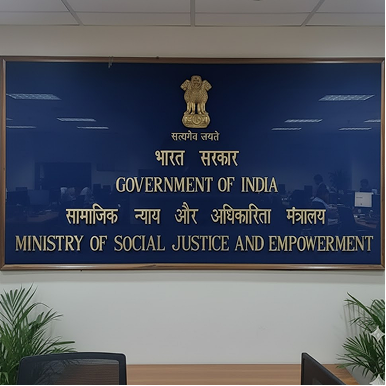
Overview
The Department of Social Justice & Empowerment is entrusted with the empowerment of the disadvantaged and marginalized sections of the society. The target groups of the Ministry are:
- Scheduled Castes
- Other Backward Classes
- Senior Citizens
- Victims of Substance Abuse
- Denotified, Nomadic and Semi Nomadic Tribes
- Beggars
- Transgender
- Manual Scavengers
- Sewer & Septic Tank workers
- Waste Pickers
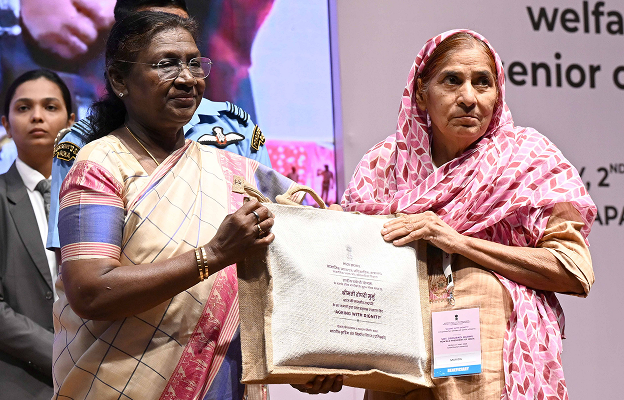
The Ministry has been implementing various programmes/schemes for social, educational and economic development of the target groups. As a result there has been considerable improvement in the welfare of these groups. Due to discontinuance of caste census after 1931, disaggregated demographic data for OBCs is not available. The Mandal Commission had estimated OBC population at 52% of the total population. Similarly, authentic data for Victims of Substance Abuse is not available. At least 1% of the population is understood to be addicted.
Our History
Evolution of the Department Over Time
Formation of the Ministry of Welfare
In the year 1985-86, the erstwhile Ministry of Welfare was bifurcated into the Department of Women and Child Development and the Department of Welfare. Simultaneously, the Scheduled Castes Development Division, Tribal Development Division and the Minorities and Backward Classes Welfare Division were moved from the Ministry of Home Affairs and also the Wakf Division from the Ministry of Law to form the then Ministry of Welfare.
Renamed as Ministry of Social Justice & Empowerment
Subsequently, the name of the Ministry was changed to the Ministry of Social Justice & Empowerment in May, 1998.
Formation of the Ministry of Tribal Affairs
Further, in October, 1999, the Tribal Development Division had moved out to form a separate Ministry of Tribal Affairs.
Formation of Separate Ministries for Minorities and Women & Child Development
In January, 2007, the Minorities Division along with Wakf Unit have been moved out of the Ministry and formed as a separate Ministry and the Child Development Division has gone to the Ministry of Women & Child Development.
Government’s Commitment to the Disability Sector
Though the subject of “Disability” figures in the State List in the Seventh Schedule of the Constitution, The Government of India has always been proactive in the disability sector. It is not only running seven National Institutes (NIs) dealing with various types on disabilities and seven Composite Regional Centers (CRCs), which provide rehabilitation services to PwDs and run courses for rehabilitation professional but also funds a large number of NGOs for similar services and also a National Handicapped Finance & Development Corporation (NHFDC) which provides loans at concession rates of interest to PwDs for self-employment.
Besides, the Union Government is a party to:
- Proclamation on the Full Participation and Equality of People with Disabilities in the Asian and the Pacific Region – adopted at Beijing in December, 1992, and
- The UN Convention on the Rights of Persons with Disabilities (UNCRPD), which came into effect in May, 2008.
Recognition of the Need for a Dedicated Disability Department
The subject has received attention in various States Governments in varying degrees. At the Central level also disability being one of the several responsibilities of the M/o SJ&E, and being looked after by just one bureau, has resulted in inadequate attention, as most of its time and energy is spent only on implementing Ministry’s own schemes, meeting their expenditure and physical targets, and organize annual time-bound activities like the National Awards for empowerment of PwDs.
In the above background, it was stated in the 11th Five Year Plan that “The ‘Disability Division’ of the Ministry of Social Justice & Empowerment will be strengthened by converting it into a separate Department, so that it can liaise effectively with all the other concerned Ministries/Departments and fulfill its responsibilities towards the disabled.”
Looking to the specialise nature of the subject on “Disability”, the wide ranging work to be done in the light of the UNCRPT, and the inadequacy of existing implementation structure, the time has now come to upgrade the existing Disability Bureau in the M/o SJ&E.
Decision to Create a Separate Department of Disability Affairs
The decision to create a separate Department of Disability Affairs within the M/o SJ&E was taken up by the Government, in principle on 3rd January, 2012.
This was also announced by the President before both houses of Parliament on 12th March, 2012.
Creation of Two Departments under the Ministry of Social Justice & Empowerment
Now the two departments have been created under the Ministry of Social Justice & Empowerment vide notification dated 12.5.2012, namely:
- Department of Social Justice and Empowerment (Samajik Nyaya and Adhikarita Vibhag)
- Department of Disability Affairs (Nishaktata Karya Vibhag) Since renamed as Department of Empowerment of Persons with Disabilities (Divyangjan).
Subjects Allocated
Allocation of Business Rules, 1961
“DEPARTMENT OF SOCIAL JUSTICE AND EMPOWERMENT (SAMAJIK NYAYA AUR ADHIKARITA VIBHAG)
Note: The Department of Social Justice and Empowerment shall be the nodal Department for the overall policy, planning and coordination of programmes for the development of the groups mentioned at (i) to (iv) above, and the welfare of the group at (v) above. However, overall management and monitoring etc. of the sectoral programmes in respect of these groups shall be the responsibility of the concerned Central Ministries, State Governments and Union Territory Administrations. Each Central Ministry or Department shall discharge nodal responsibility concerning its sector.
- The following subject which fall within List III – Concurrent List of the Seventh Schedule to the Constitution:
Nomadic and Migratory Tribes. - To act as the nodal Department for matters pertaining to the following groups, namely:-
(i) Scheduled Castes;
(ii) Socially and Educationally Backward Classes;
(iii) Denotified Tribes;
(iv) Economically Backward Classes; and
(v) Senior Citizens; - Special schemes aimed at social, educational and economic empowerment of the groups mentioned at (i) to (iv) under entry 2 above, e.g. scholarships, hostels, residential schools, skill training, concession loans and subsidy for self-employment, etc.
- Monitoring of Schedulecaste sub plan.
- Rehabilitation of Manual Scavengers in alternative occupations.
- Programmes of care and support to senior citizens.
- Prohibition.
- Rehabilitation of victims of alcoholism and substance abuse, and their families.
- Beggary.
- International Conventions and Agreements on matters dealt within the Department.
- Awareness generation, research, evaluation and training in regard to subjects allocated to the Department.
- Charitable and Religious Endowments and promotion and development of Voluntary Effort pertaining to subjects allocated to the Department.
- The Protection of Civil Rights Act, 1955 (22 of 1955).
- The Scheduled Castes and the Scheduled Tribes (Prevention of Atrocities) Act, 1989 (33 of 1989), (in so far as it relates to the Scheduled Castes, excluding administration of criminal justice in regard to offences under the Act).
- National Commission for Backward Classes Act, 1993 (27 of 1993).
- The Maintenance and Welfare of Parents and Senior Citizens Act, 2007 (56 of 2007).
- National Commission for Scheduled Castes.
- National Commission for Safai Karmacharis.
- National Commission for Backward Classes.
- National Scheduled Castes Finance and Development Corporation.
- National Safai Karamcharis Finance and Development Corporation.
- National Backward Classes Finance and Development Corporation.
- National Institute of Social Defence.
- Dr. Ambedkar Foundation.
- Babu Jagjivan Ram National Foundation
- National Commission for Denotified and Semi-Namadic Tribes
Organisational Set-Up
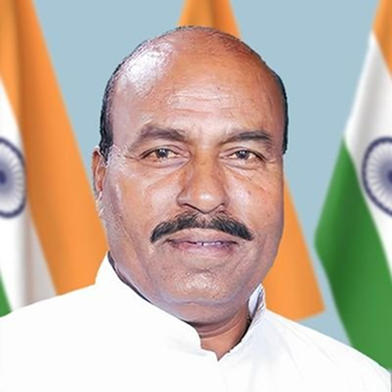
Dr. Virendra Kumar
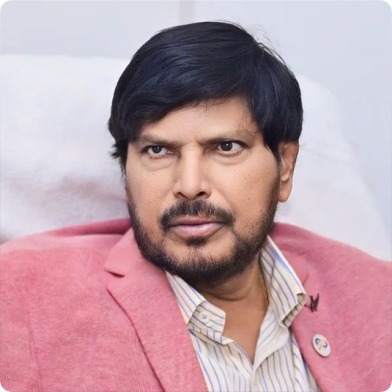
Shri Ramdas Athawale
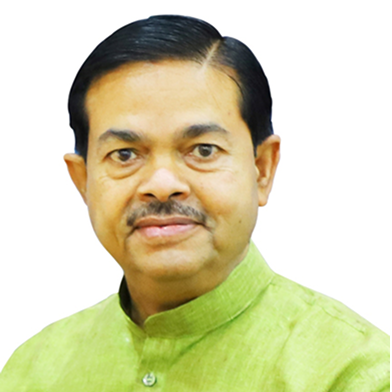
Shri B. L. Verma
The Ministry of Social Justice & Empowerment is entrusted with the welfare, social Justice and empowerment of disadvantaged and marginalized section of the society viz. Scheduled Caste, Backward Classes, Persons with Disabilities, Senior Citizens, and Victims of Drug Abuse etc.
Basic objective of the policies, programmes, law and institution of the Indian welfare system is to bring the target groups into the mainstream of development by making them self-reliant.
The Ministry is headed by Dr. Virendra Kumar, Cabinet Minister and ably assisted by two Ministers-of-State namely Shri Ramdas Athawale and Shri B L Verma.
There are two departments viz. Department of Social Justice and Empowerment and Department of Empowerment of Persons with Disabilities under the Ministry of Social Justice and Empowerment. Shri Sudhansh Pant (IAS, RJ:1991) is the Secretary of Department of Social Justice & Empowerment and Ms. Mona K. Khandhar (IAS, GJ:1996) is the Additional Secretary of Department of Social Justice & Empowerment.Ms. V. Vidyavathi (IAS, KN:1991) is the Secretary of Department of Empowerment of Persons with Disabilities.
The Bureau Head wise Allocation of work in Department of Social Justice and Empowerment is as follows:-
Name of the officer | Work allocated |
Ms. Mona K. Khandhar, AS | Centrally Sponsored Scheme for implementation of the Protection of Civil Rights (PCR) Act, 1955 and the Scheduled Castes and the Scheduled Tribes (Prevention of Atrocities) Act, 1989. |
PM-Anusuchit Jati Abhyuday Yojana (PM-AJAY) | |
Beggary component of SMILE(Support for Marginalized Individuals for Livelihood & Enterprise (SMILE) | |
Rehabilitation for Transgender Persons component of SMILE(Support for Marginalized Individuals for Livelihood & Enterprise (SMILE) | |
Transgender Persons (Protection of Rights) Act, 2019. | |
LGBTQIA+ and Welfare of Transgender Persons. | |
IT Division | |
Ms. Debolina Thakur AS & FA | Budget & IFD |
Release of funds as per budgetary support, audit paras, PAC, EFC, and SFC of the department in conjunction with the concerned Joint Secretary and Standing Committee work related to Demands for Grants. | |
To be consulted in formulation of schemes, annual plans, vision document, PPP, EAP, NITI Aayog issues, enabling policy & regulatory framework to attract private sector funds. | |
Gender Budgeting | |
Ms. Monali P. Dhakate, JS | Atal Vayo AbhyudayYojana (AVYAY) |
The Maintenance and welfare of Parents and Senior Citizens Act, 2007 (56 of 2007) | |
All other matters relating to Senior Citizens | |
Pradhan Mantri Dakshataaur Kushalata Sampann Hitgrahi Yojna (PM-DAKSH) | |
Media | |
Matters relating to Development and Welfare Board for Nomadic and Semi Nomadic Communities (DWBDNCs) | |
The matters related to SEED (assigned to CEO, DWBDNCs) will be routed through him. | |
Shri Shailendra Kumar, JS | Establishment, Cash Section |
General Administration, Vigilance | |
Official Language, Corporate Cell, Narmada and all R&R matters | |
SCD-VI Section ( Matters related to NCSC, NCBC, NCSK& JBCI at Department level) | |
Revision of lists for SCs (RL Cell) | |
Facilitation/ RTI Cell, CR-RR Section | |
Parliament, Legal Cell | |
Matters related to Dr. Ambedkar Foundation (DAF)/DAIC-DANM/BJRNF | |
Coordination | |
Gati Shakti Sanchar Portal and AKAM | |
Shri Parveen Kumar Thind, JS | PM-Young Achievers Scholarship Award Scheme for Vibrant India (PM-YASASVI) |
Scholarships for Higher Education for Young Achievers Scheme (SHREYAS-OBC) | |
Matters relating to the National Backward Classes Finance and Development Corporation (NBCFDC) | |
Matters relating to Commission to examine sub-categorization of OBCs (CESOB) | |
All matters relating to OBCs /EWS | |
Samras Cell | |
Matters related to the National Scheduled Castes Finance and Development Corporation (NSFDC) | |
Scholarships for Higher Education for Young Achievers Scheme (SHREYAS- SCs) | |
Pre & Post Matric Scholarship Schemes for SCs | |
Direct Benefit Transfer (DBT) | |
Scheme of Residential Education for Students in High Schools in Targeted Area(SRESHTA-SCs) | |
Shri Sandeep Rewaji Rathod, JS | Matter relating to Prohibition, Rehabilitation of victims of alcoholism and substance abuse, and their families. |
National Action Plan for Drug Demand Reduction (NAPDDR) | |
Nasha Mukt Bharat Abhiyaan (NMBA) | |
Prohibition of Employment as Manual Scavengers and their Rehabilitation Act 2013(MS Act 2013) | |
All matters relating to the Self Employment Scheme for Rehabilitation of Manual Scavengers (SRMS) | |
National Action Plan for Mechanised Sanitation Ecosystem (NAMSTE) | |
The National Safai Karamchari Finance and Development Corporation (NSKFDC) | |
International Conventions and Agreements on matters dealt within the Department and G-20 matters | |
Project Monitoring Units (PMUs) | |
Capacity Building | |
Matters related to National Institute of Social Defence (NISD) at Department level | |
Ms. Pratima Gupta, DDG | Matters related to Pragati Portal |
Evaluation Studies of Scheme of the Department | |
Monitoring matters and issues related to NITI Aayog | |
Handbook/All Statistics related matters | |
Preparation of Annual Report | |
Sectoral Group of Secretaries (SGoS)/ Vision Document | |
Public Grievances (CPGRAM), PM-CARES | |
Overall Coordination of E-Samiksha | |
Social Audit of Schemes | |
I- MESA- Awareness generation, research, evaluation and training | |
All other matters related to Statistics Division | |
Development Action Plan for SCs (DAPSC) and related matters/ schemes | |
Output-Outcome Monitoring Framework | |
Economic Inclusion Division (Venture Capital Funds, Credit Enhancement Guarantee Scheme, VISVAS scheme for SC’s and OBC’s, PM-SURAJ, Loan schemes of NSFDC and NBCFDC etc.) | |
Economic Survey | |
Examination and preparation of comments on Draft Cabinet Note/ CCEA/EFC/SFC/PIB/DIB Notes of other Ministries | |
Policy/regulatory framework to attract private sector funds/PPP | |
Matters related to SDG-30 |
Sector-Wise Detailed Information
State-wise number of Castes notified as Scheduled Castes (as on 23.09.2008)
| Sr. No. | State/Union Territory | Number of Castes |
|---|---|---|
| 1 | Andhra Pradesh | 60 |
| 2 | Arunachal Pradesh | 0 |
| 3 | Assam | 16 |
| 4 | Bihar | 23 |
| 5 | Chhattisgarh | 44 |
| 6 | Goa | 05 |
| 7 | Gujarat | 36 |
| 8 | Haryana | 37 |
| 9 | Himachal Pradesh | 57 |
| 10 | Jammu and Kashmir | 13 |
| 11 | Jharkhand | 22 |
| 12 | Karnataka | 101 |
| 13 | Kerala | 55 |
| 14 | Madhya Pradesh | 48 |
| 15 | Maharashtra | 59 |
| 16 | Manipur | 07 |
| 17 | Meghalaya | 16 |
| 18 | Mizoram | 16 |
| 19 | Nagaland | 0 |
| 20 | Orissa | 93 |
| 21 | Punjab | 39 |
| 22 | Rajasthan | 59 |
| 23 | Sikkim | 04 |
| 24 | Tamil Nadu | 76 |
| 25 | Tripura | 34 |
| 26 | Uttar Pradesh | 66 |
| 27 | Uttaranchal | 65 |
| 28 | West Bengal | 60 |
| 29 | Andman & Nicobar Islands | 0 |
| 30 | Chandigarh | 36 |
| 31 | Dadra & Nagar Haveli | 04 |
| 32 | Daman & Diu | 05 |
| 33 | NCT of Delhi | 36 |
| 34 | Lakshdweep | 0 |
| 35 | Pondicherry | 16 |
| Total | 1208 |
State-wise, District-wise List of Blocks with >40% SC population
| S. No. | State | District | Block | %age of SC population |
|---|---|---|---|---|
| 1 | Andhra Pradesh | 1. Adilabad | 1. Kotapalle | 41 |
| 2. Guntur | 2. Amruthalur | 42 | ||
| 2 | Haryana | 3. Yamunanagar | 3. Mustafabad | 40 |
| 3 | Himachal Pradesh | 4. Kullu | 4. Nermand | 45 |
| 5. Sirmaur | 5. Rajgarh | 45 | ||
| 6. Sangrah | 41 | |||
| 6. Solan | 7. Solan | 41 | ||
| 4 | Jammu & Kashmir | 7. Jammu | 8. Bishnah | 47 |
| 5 | Jharkhand | 8. Chatra | 9. Kunda | 63 |
| 10. Lawalaung | 56 | |||
| 6 | Kerala | 9. Kollam | 11. Parakode (Minor) | 57 |
| 7 | Punjab | 10. Amritsar | 12. Jandiala Guru | 43 |
| 13. Verka | 41 | |||
| 11. Faridkot | 14. Faridkot | 40 | ||
| 12. Gurdaspur | 15. Narot Jaimal Singh | 48 | ||
| 16. Bamial | 45 | |||
| 13. Hoshiarpur | 17. Hoshiarpur-I | 48 | ||
| 18. Hoshiarpur-II | 48 | |||
| 19. Mahilpur | 44 | |||
| 20. Bhunga | 41 | |||
| 14. Jalandhar | 21. Jalandhar East | 55 | ||
| 22. Phillaur (P) | 50 | |||
| 23. Jalandhar West | 48 | |||
| 24. Noor Mehal | 48 | |||
| 25. Adampur | 47 | |||
| 26. Rurka Kalan | 46 | |||
| 27. Bhogpur | 46 | |||
| 28. Nakodar | 43 | |||
| 29. Shahkot | 40 | |||
| 15. Kapurthala | 30. Phagwara | 49 | ||
| 16. Ludhiana | 31. Khanna | 43 | ||
| 32. Ludhiana-II | 41 | |||
| 17. Muktsar | 33. Muktsar | 44 | ||
| 34. Lambi | 43 | |||
| 35. Malout | 41 | |||
| 18. Nawanshahr | 36. Banga | 51 | ||
| 37. Nawanshahr | 45 | |||
| 38. Aur | 44 | |||
| 19. Patiala | 39. Amloh (P) | 51 |
State-wise, District-wise List of Blocks with >40% but less than 50% SC population
| State | District | Blocks | % SC population |
|---|---|---|---|
| Andhra Pradesh | Adilabad | 1. Kotapalle | 41.18 |
| Guntur | 2. Amruthalur | 42.22 | |
| Haryana | Yamunanagar | 3. Mustafabad | 40.42 |
| Himachal Pradesh | Kullu | 4. Nermand | 44.85 |
| Sirmaur | 5. Rajgarh | 44.88 | |
| 6. Sangrah | 40.60 | ||
| Solan | 7. Solan | 41.19 | |
| Jammu & Kashmir | Jammu | 8. Bishnah | 46.79 |
| Punjab | Amritsar | 9. Jandiala Guru | 43.11 |
| 10. Verka | 41.19 | ||
| Faridkot | 11. Faridkot | 40.15 | |
| Gurdaspur | 12. Bamial | 44.73 | |
| 13. Narot Jaimal Singh | 48.20 | ||
| Hoshiarpur | 14. Bhunga | 40.67 | |
| 15. Hoshiarpur-I | 48.37 | ||
| 16. Hoshiarpur-II | 47.75 | ||
| 17. Mahilpur | 43.81 | ||
| Jalandhar | 18. Adampur | 47.30 | |
| 19. Bhogpur | 45.86 | ||
| 20. Jalandhar West | 47.63 | ||
| 21. Nakodar | 43.42 | ||
| 22. Noor Mehal | 47.50 | ||
| 23. Rurka Kalan | 45.92 | ||
| 24. Shahkot | 40.41 | ||
| Kapurthala | 25. Phagwara | 49.15 | |
| Ludhiana | 26. Khanna | 42.58 | |
| 27. Ludhiana-II | 40.73 | ||
| Muktsar | 28. Lambi | 43.04 | |
| 29. Malout | 41.00 | ||
| 30. Muktsar | 44.32 | ||
| Nawanshahr | 31. Aur | 44.42 | |
| 32. Nawanshahr | 45.48 | ||
| Rajasthan | Ganganagar | 33. Anupgarh | 42.41 |
| 34. Karanpur | 46.86 | ||
| 35. Raisinghnagar | 43.64 | ||
| Tamil Nadu | Cuddalore | 36. Keerapalayam | 40.06 |
| 37. Komaratchi | 40.96 | ||
| 38. Mangalur | 41.20 | ||
| 39. Nallur | 43.74 | ||
| Kancheepuram | 40. Lathur | 42.96 | |
| 41. Maduranthakam | 48.90 | ||
| Ramanathapuram | 42. Bogalur | 41.32 | |
| The Nilgiris | 43. Coonoor | 41.39 | |
| Thiruvarur | 44. Koradacheri | 41.81 | |
| 45. Kottur | 44.38 | ||
| 46. Thiruthuraipoondi | 49.30 | ||
| 47. Thiruvarur | 41.83 | ||
| 48. Valangaiman | 43.45 | ||
| Thoothukkudi | 49. Ottapidaram | 40.81 | |
| Uttar Pradesh | Chandauli | 50. Naugarh | 44.95 |
| Faizabad | 51. Dariyabad | 46.79 | |
| Hardoi | 52. Ahrori | 49.42 | |
| 53. Behadar | 48.50 | ||
| 54. Hariyawan | 40.92 | ||
| 55. Kachhauna | 47.79 | ||
| 56. Kothwan | 48.73 | ||
| 57. Sursa | 47.44 | ||
| 58. Tadiyawan | 45.18 | ||
| Kaushambi | 59. Chail | 41.18 | |
| 60. Kaushambi | 42.32 | ||
| Lucknow | 61. Gosaiganj | 44.76 | |
| 62. Kakori | 40.07 | ||
| 63. Mal | 45.98 | ||
| 64. Mohanlalganj | 45.49 | ||
| Mirzapur | 65. Hallia | 43.86 | |
| 66. Lalganj | 40.45 | ||
| Rae Bareli | 67. Bachhrawan | 43.02 | |
| Sitapur | 68. Gondlamau | 42.52 | |
| 69. Kasmanda | 40.48 | ||
| 70. Machhrehta | 44.45 | ||
| 71. Misrikh | 46.54 | ||
| Sonbhadra | 72. Ghorawal | 44.20 | |
| 73. Myorpur | 41.54 | ||
| Unnao | 74. Auras | 45.34 | |
| 75. Hasanganj | 42.55 | ||
| West Bengal | Bankura | 76. Indus | 41.77 |
| 77. Patrasayer | 44.70 | ||
| 78. Sonamukhi | 41.96 | ||
| Dakshin Dinajpur* | 79. Kushmundi | 44.41 | |
| Jalpaiguri | 80. Alipurduar - I | 46.88 | |
| 81. Alipurduar - II | 40.53 | ||
| 82. Dhupguri | 41.83 | ||
| 83. Rajganj | 48.54 | ||
| Koch Bihar | 84. Cooch Behar - I | 40.53 | |
| 85. Cooch Behar - II | 45.93 | ||
| 86. Dinhata - I | 43.97 | ||
| 87. Dinhata - II | 44.99 | ||
| 88. Tufanganj - I | 45.73 | ||
| Maldah | 89. Bamangola | 49.87 | |
| 90. Habibpur | 46.29 | ||
| Nadia | 91. Chakdah | 44.34 | |
| 92. Hanskhali | 49.21 | ||
| 93. Krishnaganj | 44.71 | ||
| 94. Ranaghat - II | 45.62 | ||
| North Twenty Four Parganas | 95. Bongaon | 47.06 | |
| 96. Gaighata | 48.00 | ||
| 97. Sandeskhali - II | 44.65 | ||
| South Twenty Four Parganas | 98. Baruipur | 42.78 | |
| 99. Bishnupur - I | 47.89 | ||
| 100. Jaynagar - I | 40.96 | ||
| 101. Kultali | 47.26 | ||
| 102. Mandirbazar | 43.41 |
List of Blocks with >50% SC population
| State | District | Blocks | % SC population |
|---|---|---|---|
| Jharkhand | Chatra | 1. Kunda | 63.02 |
| 2. Lawalaung | 55.97 | ||
| Kerala | Kollam | 3. Parakode (Minor) | 56.94 |
| Punjab | Jalandhar | 4. Jalandhar East | 54.71 |
| 5. Phillaur (P) | 50.02 | ||
| Nawanshahr | 6. Banga | 50.72 | |
| Patiala | 7. Amloh (P) | 51.30 | |
| Tamil Nadu | Kancheepuram | 8. Chithamur | 50.62 |
| Nagapattinam | 9. Kilvelur | 52.33 | |
| Uttar Pradesh | Chandauli | 10. Forest Villages | 56.58 |
| Mirzapur | 11. Marihan | 55.34 | |
| Sonbhadra | 12. Babhani | 62.67 | |
| 13. Chopan | 56.13 | ||
| 14. Duddhi | 54.80 | ||
| 15. Forest Villages | 79.21 | ||
| 16. Nagwa | 52.80 | ||
| West Bengal | Darjiling | 17. Kharibari | 50.85 |
| Jalpaiguri | 18. Jalpaiguri | 60.65 | |
| 19. Maynaguri | 70.83 | ||
| Koch Bihar | 20. Haldibari | 61.86 | |
| 21. Mathabhanga - I | 68.54 | ||
| 22. Mathabhanga - II | 65.39 | ||
| 23. Mekliganj | 71.43 | ||
| 24. Sitai | 67.33 | ||
| 25. Sitalkuchi | 54.85 | ||
| 26. Tufanganj - II | 50.63 | ||
| Medinipur | 27. Khejuri - II | 56.76 | |
| North Twenty Four Parganas | 28. Bagda | 54.35 | |
| 29. Hingalganj | 64.95 | ||
| South Twenty Four Parganas | 30. Canning - I | 50.66 | |
| 31. Gosaba | 64.28 | ||
| 32. Sonarpur | 57.96 | ||
| Uttar Dinajpur | 33. Kaliaganj | 60.48 |
Districts having more than 40% SC population in India
| State | District | Population (in lakhs) | %SC Population | |
|---|---|---|---|---|
| Total | SC | |||
| West Bengal | Koch Bihar | 24.8 | 12.4 | 50.1 |
| Uttar Pradesh | Sonbhadra | 14.6 | 6.1 | 41.9 |
| Punjab | Nawanshahr | 5.9 | 2.4 | 40.5 |
State/UT-wise SCs & PD Literacy Rate, 2001
| State/UT | Literacy Rate 2001 | ||
|---|---|---|---|
| Total | SC | PD | |
| 1. Uttar Pradesh | 56.3 | 46.3 | 44.5 |
| 2. Maharashtra | 76.9 | 71.9 | 57.6 |
| 3. Bihar | 47.0 | 28.5 | 37.2 |
| 4. West Bengal | 68.6 | 59.0 | 52.7 |
| 5. Andhra Pradesh | 60.5 | 53.5 | 44.2 |
| 6. Tamil Nadu | 73.5 | 63.2 | 58.6 |
| 7. Madhya Pradesh | 63.7 | 58.6 | 49.7 |
| 8. Rajasthan | 60.1 | 52.2 | 45.3 |
| 9. Karnataka | 66.6 | 52.9 | 50.3 |
| 10. Gujarat | 69.1 | 70.5 | 54.0 |
| 11. Orissa | 63.1 | 55.5 | 48.8 |
| 12. Kerala | 90.9 | 82.7 | 67.0 |
| 13. Jharkhand | 53.6 | 37.6 | 41.5 |
| 14. Assam | 63.3 | 66.8 | 45.5 |
| 15. Punjab | 69.7 | 56.2 | 49.5 |
| 16. Haryana | 57.9 | 55.4 | 48.8 |
| 17. Chhattisgarh | 64.7 | 64.0 | 47.9 |
| 18. Delhi | 81.7 | 70.8 | 65.5 |
| 19. J&K | 55.5 | 59.0 | 39.9 |
| 20. Uttarakhand | 71.6 | 63.4 | 51.8 |
| 21. Himachal Pradesh | 76.5 | 70.3 | 51.9 |
| 22. Tripura | 73.2 | 74.7 | 52.5 |
| 23. Manipur | 70.5 | 72.3 | 42.9 |
| 24. Meghalaya | 62.5 | 56.3 | 37.9 |
| 25. Nagaland | 66.6 | NA | 30.8 |
| 26. Goa | 82.0 | 71.9 | 50 |
| 27. Aru .Pradesh | 54.3 | 67.6 | 39.4 |
| 28. Puducherry | 81.2 | 69.1 | 57.7 |
| 29. Mizoram | 88.8 | 89.2 | 56.3 |
| 30. Chandigarh | 81.9 | 67.7 | 62.5 |
| 31. Sikkim | 68.8 | 63.0 | 40.0 |
| 32. A & N Islands | 81.3 | NA | 57.1 |
| 33. D & Nagar Haveli | 57.6 | 78.2 | 25.0 |
| 34. Daman & Diu | 78.2 | 85.1 | 33.3 |
| 35. Lakshadweep | 86.7 | NA | 45.0 |
| Total | 64.8 | 54.7 | 49.3 |
Gross Enrolment Ratio (GER), Among Total Population and SC Population
| Age Group | Total | SC | ||||
|---|---|---|---|---|---|---|
| Boys | Girls | Total | Boys | Girls | Total | |
| 6-11 (Classes I-V) | 112.6 | 105.8 | 109.4 | 126.1 | 110.0 | 118.4 |
| 11-14 (Classes VI-VII) | 75.4 | 66.5 | 71.1 | 81.0 | 64.9 | 73.4 |
| 6-14 (Classes I-VIII) | 98.5 | 91.0 | 94.9 | 109.3 | 93.6 | 101.8 |
| 14-16 (Classes IX-X) | 57.7 | 46.2 | 52.2 | 54.8 | 40.3 | 48.1 |
| 16-18 (Classes XI-XII) | 31.5 | 25.1 | 28.5 | 27.9 | 20.7 | 24.6 |
| 14-16 (Classes IX-XII) | 44.7 | 35.8 | 40.4 | 41.7 | 30.8 | 36.6 |
| 6-18 (Classes I-XII) | 80.6 | 73.1 | 77.0 | 87.8 | 74.5 | 81.5 |
| 18-24 (Higher Edn.) | 13.6 | 9.3 | 11.6 | 10.1 | 6.4 | 8.3 |
Sex-wise Drop-out Rates, Among Total Population and SC Population
| Classes | Total | SC | ||||
|---|---|---|---|---|---|---|
| Boys | Girls | Total | Boys | Girls | Total | |
| I-V | 28.5 | 21.5 | 25.4 | 33.6 | 34.0 | 33.7 |
| I-VIII | 48.4 | 45.9 | 48.7 | 53.7 | 57.2 | 55.2 |
| I-X | 60.0 | 63.5 | 61.5 | 68.1 | 73.7 | 70.5 |
State-wise Percentage of Population Below Poverty Line by Social Groups, 2004-05
| No. States | Rural | Urban | Rural & Urban | ||||||
|---|---|---|---|---|---|---|---|---|---|
| SC | OBC | Others | All | SC | OBC | Others | All | Combined | |
| 1. Andhra Pradesh | 15.4 | 9.5 | 4.1 | 11.2 | 39.9 | 28.9 | 20.6 | 28.0 | 15.8 |
| 2. Assam | 27.7 | 18.8 | 25.4 | 22.3 | 8.6 | 8.6 | 4.2 | 3.3 | 19.7 |
| 3. Bihar | 64.0 | 37.8 | 26.6 | 42.1 | 67.2 | 41.4 | 18.3 | 34.6 | 41.4 |
| 4. Chhattisgarh | 32.7 | 33.9 | 29.2 | 40.8 | 52.0 | 52.7 | 21.4 | 41.2 | 40.9 |
| 5. Delhi | 0.0 | 0.0 | 10.6 | 6.9 | 35.8 | 18.3 | 6.4 | 15.2 | 14.7 |
| 6. Gujarat | 21.8 | 19.1 | 4.8 | 19.1 | 16.0 | 22.9 | 7.0 | 13.0 | 16.8 |
| 7. Haryana | 26.8 | 13.9 | 4.2 | 13.6 | 33.4 | 22.5 | 5.9 | 15.1 | 14.0 |
| 8. Himachal Pradesh | 19.6 | 9.1 | 6.4 | 10.7 | 5.6 | 10.1 | 2.0 | 3.4 | 10.0 |
| 9. Jammu & Kasmir | 5.2 | 10.0 | 3.3 | 4.6 | 13.7 | 4.8 | 7.8 | 7.9 | 5.4 |
| 10. Jharkhand | 57.9 | 40.2 | 37.1 | 46.3 | 47.2 | 19.1 | 9.2 | 20.2 | 40.3 |
| 11. Karnataka | 31.8 | 20.9 | 13.6 | 20.8 | 50.6 | 39.1 | 20.3 | 32.6 | 25.0 |
| 12. Kerala | 21.6 | 13.7 | 6.6 | 13.2 | 32.5 | 24.3 | 7.8 | 20.2 | 15.0 |
| 13. Madhya Pradesh | 42.8 | 29.6 | 13.4 | 36.9 | 67.3 | 55.5 | 20.8 | 42.1 | 38.3 |
| 14. Maharashtra | 44.8 | 23.9 | 18.9 | 29.6 | 43.2 | 35.6 | 26.8 | 32.2 | 30.7 |
| 15. Orissa | 50.2 | 36.9 | 23.4 | 46.8 | 72.6 | 50.2 | 28.9 | 44.3 | 46.4 |
| 16. Punjab | 14.6 | 10.6 | 2.2 | 9.1 | 16.1 | 8.4 | 2.9 | 7.1 | 8.4 |
| 17. Rajasthan | 28.7 | 13.1 | 8.2 | 18.7 | 52.1 | 35.6 | 20.7 | 32.9 | 22.1 |
| 18. Tamil Nadu | 31.2 | 19.8 | 19.1 | 22.8 | 40.2 | 20.9 | 6.5 | 22.2 | 22.5 |
| 19. Uttar Pradesh | 44.8 | 32.9 | 19.7 | 33.4 | 44.9 | 36.6 | 19.2 | 30.6 | 32.8 |
| 20. Uttarakhand | 54.2 | 44.8 | 33.5 | 40.8 | 65.7 | 46.5 | 25.5 | 36.5 | 39.6 |
| 21. West Bengal | 29.5 | 18.3 | 27.5 | 28.6 | 28.5 | 10.4 | 13.0 | 14.8 | 24.7 |
| *All India | 36.8 | 26.7 | 16.1 | 28.3 | 39.9 | 31.4 | 16.0 | 25.7 | 27.5 |
State-wise Senior Citizens (60+) Population, 2001.
| Population | State/UT | Population,2001 (in crore) | ||
|---|---|---|---|---|
| Total | Sr. Ctz | % | ||
| I. > 5 Crore | 1. Uttar Pradesh | 16.6 | 1.2 | 7.0 |
| 2. Maharashtra | 9.6 | 0.9 | 8.9 | |
| 3. Bihar | 8.2 | 0.6 | 6.7 | |
| 4. West Bengal | 8.0 | 0.6 | 7.1 | |
| 5. Andhra Pradesh | 7.5 | 0.6 | 7.7 | |
| 6. Tamil Nadu | 6.2 | 0.6 | 8.9 | |
| 7. Madhya Pradesh | 6.0 | 0.4 | 7.2 | |
| 8. Rajasthan | 5.6 | 0.4 | 6.8 | |
| 9. Karnataka | 5.2 | 0.4 | 7.9 | |
| 10. Gujarat | 5.0 | 0.4 | 7.0 | |
| II. 2-5 Crore | 11. Orissa | 3.6 | 0.3 | 8.3 |
| 12. Kerala | 3.1 | 0.3 | 10.6 | |
| 13. Jharkhand | 2.6 | 0.2 | 6.2 | |
| 14. Assam | 2.6 | 0.2 | 6.2 | |
| 15. Punjab | 2.4 | 0.2 | 9.2 | |
| 16. Haryana | 2.1 | 0.2 | 7.6 | |
| 17. Chhattisgarh | 2.0 | 0.2 | 7.5 | |
| III. 0.5-2 Crore | 18. Delhi | 1.3 | 0.07 | 5.4 |
| 19. Jammu & Kashmir | 1.0 | 0.07 | 7.0 | |
| 20. Uttarakhand | 0.8 | 0.07 | 8.8 | |
| 21. Himachal Pradesh | 0.6 | 0.06 | 10.0 | |
| IV. 0.1-0.5 Crore | 22. Tripura | 0.3 | 0.02 | 6.7 |
| 23. Manipur | 0.2 | 0.02 | 10.0 | |
| 24. Meghalaya | 0.2 | 0.01 | 5.0 | |
| 25. Nagaland | 0.2 | 0.01 | 5.0 | |
| 26. Goa | 0.1 | 0.01 | 10.0 | |
| 27. Arunachal Pradesh | 0.1 | 0.005 | 5.0 | |
| 28. Puducherry | 0.1 | 0.008 | 8.0 | |
| V. < 0.1 Crore | 29. Mizoram | 0.09 | 0.005 | 5.6 |
| 30. Chandigarh | 0.09 | 0.004 | 4.4 | |
| 31. Sikkim | 0.05 | 0.002 | 4.0 | |
| 32. A&N Islands | 0.04 | 0.001 | 2.5 | |
| 33. D& Nagar Haveli | 0.02 | 0.001 | 4.0 | |
| 34. Daman & Diu | 0.02 | 0.001 | 5.1 | |
| 35. Lakshadweep | 0.006 | * | 6.1 | |
| Total | 102.7 | 7.7 | 7.5 | |
State/UT-wise Number of Entries in the Central List of OBCs as on March, 2018.
| Sl.No | State/UT | No. of Entries as in the Central List of OBCs 12.04.2018 |
|---|---|---|
| 1 | Andhra Pradesh | 104 |
| 2 | Arunachal Pradesh* | 0 |
| 3 | Assam | 28 |
| 4 | Bihar | 132 |
| 5 | Chhatisgarh | 67 |
| 6 | Goa | 17 |
| 7 | Gujarat | 105 |
| 8 | Haryana | 73 |
| 9 | Himachal Pradesh | 52 |
| 10 | J & K | 23 |
| 11 | Jharkhand | 134 |
| 12 | Karnataka** | 199 |
| 13 | Kerala | 83 |
| 14 | Madhya Pradesh | 68 |
| 15 | Maharashtra | 256 |
| 16 | Manipur | 4 |
| 17 | Mizoram* | 0 |
| 18 | Meghalaya* | 0 |
| 19 | Nagaland* | 0 |
| 20 | Orissa | 197 |
| 21 | Punjab | 65 |
| 22 | Rajasthan | 69 |
| 23 | Sikkim | 8 |
| 24 | Tamil Nadu | 182 |
| 25 | Telangana | 86 |
| 26 | Tripura | 42 |
| 27 | Uttar Pradesh | 76 |
| 28 | Uttrakhand | 78 |
| 29 | West Bengal | 98 |
| 30 | A & N Islands | 5 |
| 31 | Chandigarh | 60 |
| 32 | Daman & Diu | 44 |
| 33 | Dadra & Nagar Haveli | 10 |
| 34 | Delhi | 56 |
| 35 | Lakshadweep* | 0 |
| 36 | Pudducherry | 58 |
| Grand Total | 2479 |
State/UT wise Population of Others(TG) as per Census 2011.
| # | State/UT wise Population of Others(TG) as per Census 2011 | State/UT wise Population of Others(TG) as per Census 2011 |
|---|---|---|
|
# |
State/UT |
Transgender Population |
|
- |
India |
4,87,803 |
|
1 |
Uttar Pradesh |
1,37,465 |
|
2 |
Andhra Pradesh |
43,769 |
|
3 |
Maharashtra |
40,891 |
|
4 |
Bihar |
40,827 |
|
5 |
West Bengal |
30,349 |
|
6 |
Madhya Pradesh |
29,597 |
|
7 |
Tamil Nadu |
22,364 |
|
8 |
Orissa |
20,332 |
|
9 |
Karnataka |
20,266 |
|
10 |
Rajasthan |
16,517 |
|
11 |
Jharkhand |
13,463 |
|
12 |
Gujarat |
11,544 |
|
13 |
Assam |
11,374 |
|
14 |
Punjab |
10,243 |
|
15 |
Haryana |
8,422 |
|
16 |
Chhattisgarh |
6,591 |
|
17 |
Uttarakhand |
4,555 |
|
18 |
Delhi |
4,213 |
|
19 |
Jammu and Kashmir |
4,137 |
|
20 |
Kerala |
3,902 |
|
21 |
Himachal Pradesh |
2,051 |
|
22 |
Manipur |
1,343 |
|
23 |
Tripura |
833 |
|
24 |
Meghalaya |
627 |
|
25 |
Arunachal Pradesh |
495 |
|
26 |
Goa |
398 |
|
27 |
Nagaland |
398 |
|
28 |
Puducherry |
252 |
|
29 |
Mizoram |
166 |
|
30 |
Chandigarh |
142 |
|
31 |
Sikkim |
126 |
|
32 |
Daman and Diu |
59 |
|
33 |
Andaman and Nicobar |
47 |
|
34 |
Dadra and Nagar Have |
43 |
|
35 |
Lakshadweep |
2 |
Former Secretaries
| Sr | Name | From | To |
|---|---|---|---|
| 1 | SHRI J. A. KALYANKRISHNAN | 25.09.1985 | 30.11.1985 |
| 2 | SHRI S. S. VARMA | 02.12.1985 | 31.12.1989 |
| 3 | SHRI J. M. QURESHI | 01.01.1990 | 22.01.1990 |
| 4 | SHRI P. S. KRISHNAN | 03.01.1990 | 31.12.1990 |
| 5 | SHRI J. M. QURESHI | 01.01.1991 | 31.03.1991 |
| 6 | SMT. USHA VOHRA | 01.04.1991 | 24.05.1992 |
| 7 | SHRI K. S. R. MURTHY | 25.05.1992 | 31.05.1993 |
| 8 | SHRI A. MOHANDAS MOSES | 01.06.1993 | 27.01.1994 |
| 9 | SHRI MATA PRASAD | 28.01.1994 | 24.06.1995 |
| 10 | SHRI K. B. SAXENA | 22.08.1995 | 28.09.1996 |
| 11 | SHRI K. K. BAKSI | 28.09.1996 | 04.02.1998 |
| 12 | SHRI D. K. MANAVALAN | 04.02.1998 | 05.05.1999 |
| 13 | SMT. ASHA DAS | 05.05.1999 | 31.10.2001 |
| 14 | SHRI C. GOPAL REDDY | 05.11.2001 | 30.09.2003 |
| 15 | SHRI B. S. BASWAN | 01.07.2003 | 30.06.2004 |
| 16 | SMT. SARITA PRASAD | 30.06.2004 | 31.08.2006 |
| 17 | DR VEENA CHHOTRAY | 31.08.2006 | 31.03.2008 |
| 18 | SHRI K. M. ACHARYA | 01.04.2008 | 30.06.2012 |
| 19 | SHRI ANIL GOSWAMI | 02.07.2012 | 27.04.2013 |
| 20 | SHRI SUDHIR BHARGAVA | 09.05.2013 | 31.01.2015 |
| 21 | MS ANITA AGNIHOTRI | 02.02.2015 | 31.10.2016 |
| 22 | SMT. G. LATHA KRISHNA RAO | 31.10.2016 | 30.04.2018 |
| 23 | SMT. NILAM SAWHNEY | 21.05.2018 | 13.11.2019 |
| 24 | SHRI R. SUBRAHMANYAM | 13.12.2019 | 31.08.2022 |
| 25 | SHRI ANJALI BHAWRA | 01.09.2022 | 21.04.2023 |
| 26 | SHRI SAURABH GARG | 21.04.2023 | 11.06.2024 |
| 27 | SHRI AMIT YADAV | 11.06.2024 | 30.11.2025 |
Parliament Questions
Important Links
Prioritization Guidelines for funding Projects by Voluntary Organisations
Procedure for processing Grant-in-Aid Cases in respect of Voluntary Organisations
Inspection and Monitoring Procedure
Penalties in case of Misutilization of Grands
Cessation of Voluntary Organisation Activities
Guidelines for Assisting NGOs / Voluntary Organisations
Minutes of Screening Committees