 Government of India


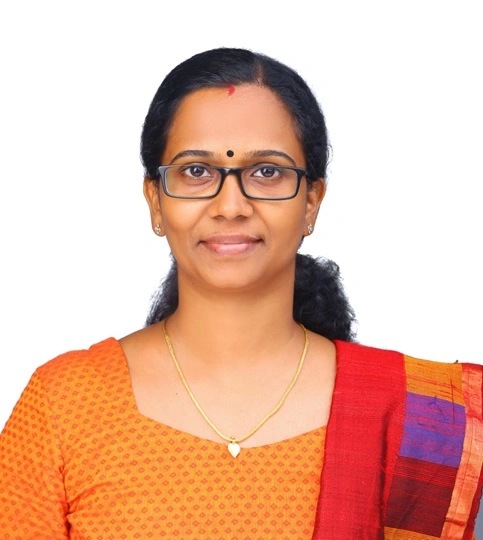
Dr Seema P Uthaman
Vice Principal., IMHANS,Calicat
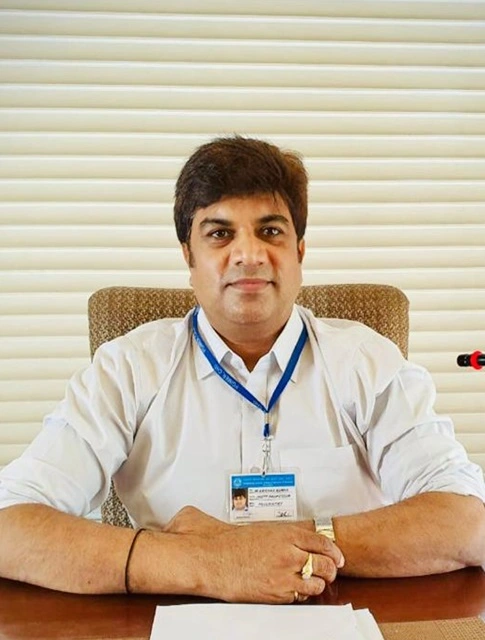
Dr Krishan Sony
Additional Professor (Clinical Psychology), Dept. of Psychiatry., PGIMER, Chandigarh
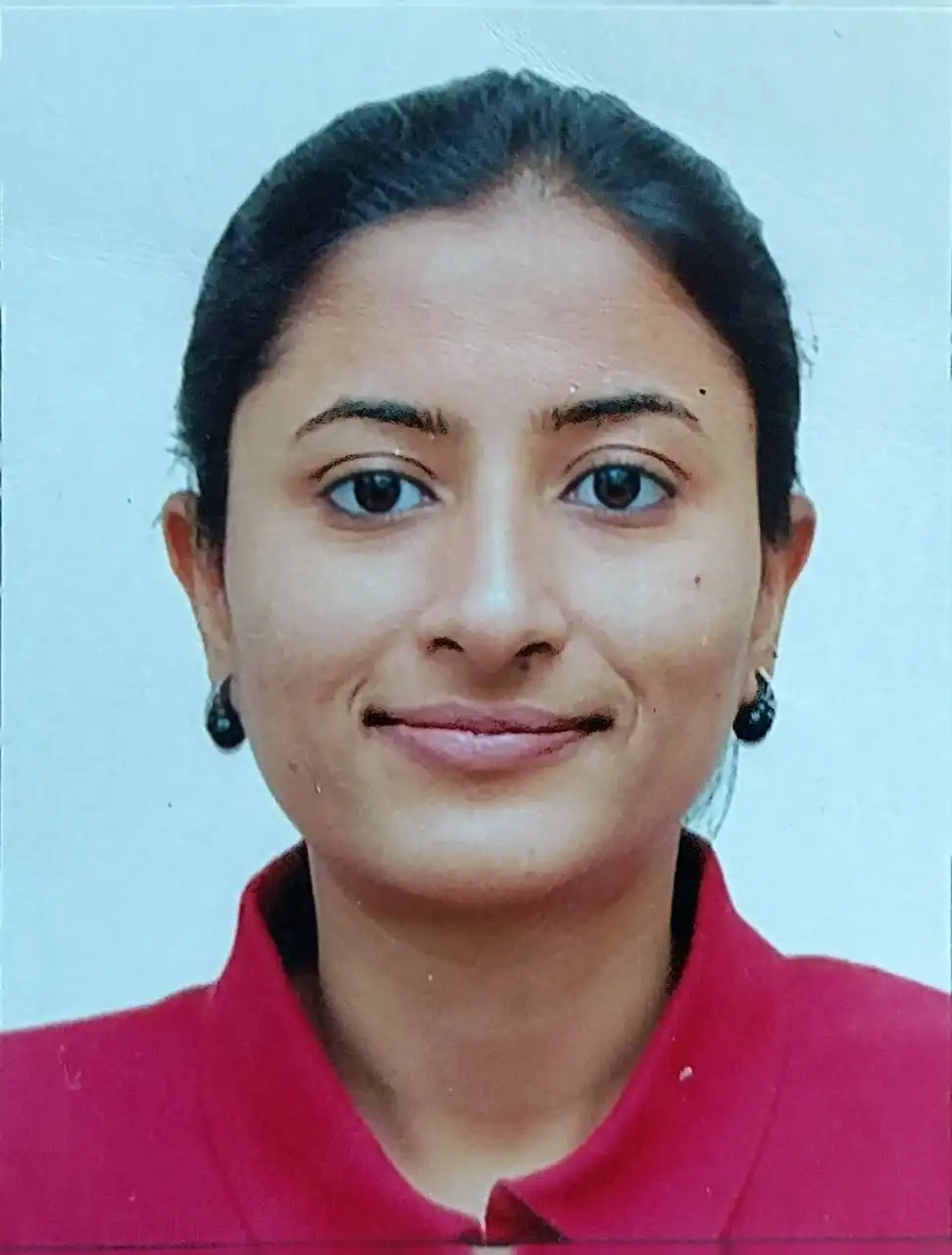
Ms Manasi Jain
Clinical Psychologist, Former Scholar., NIMHANS
Forum
Q1. WHY ONE IS REPEATEDLY RELAPSE ?
Repeated relapse usually occurs due to unresolved underlying causes, poor coping skills, environmental triggers, lack of consistent treatment, or inadequate support systems. Answered by: Dr Krishan Sony
Q2. What can Common people do to save the nation from nsha ?
Common people can help by spreading awareness, supporting addicted individuals without stigma, guiding youth, promoting healthy activities, and reporting illegal drug activities. Answered by: Dr Krishan Sony
Q3. Nasha se kaise bache
नशे से बचने के लिए अच्छे मित्र चुनें, तनाव को स्वस्थ तरीकों (जैसे योग, खेल, ध्यान) से संभालें, परिवार से खुलकर बात करें, और गलत संगत व प्रलोभन से दूर रहें। Answered by: Dr Krishan Sony
Q4. Are rehabilitation centers provided free of cost for people?
Yes, some rehabilitation centers are free, especially:Government-run de-addiction centers (often free or very low cost).Centers under schemes by the Ministry of Social Justice & Empowerment (India).Certain NGOs and charitable hospitals. Answered by: Dr Krishan Sony
Q5. Nese se chutkara kese mile
नशे से छुटकारा पाने के लिए:सबसे पहले खुद निर्णय लें कि आपको छोड़ना है।परिवार और दोस्तों का सहयोग लें।डॉक्टर या de-addiction केंद्र से संपर्क करें।ट्रिगर (गलत संगत, तनाव) से दूर रहें।योग, व्यायाम, ध्यान और नई सकारात्मक आदतें अपनाएँ।जरूरत पड़े तो प्रोफेशनल काउंसलिंग बहुत मददगार होती है। Answered by: Dr Krishan Sony
Q6. sir sharab ne zindgi nark bana di hai upay bataye sharab chhodne ka
नशे से छुटकारा पाने के लिए:सबसे पहले खुद निर्णय लें कि आपको छोड़ना है।परिवार और दोस्तों का सहयोग लें।डॉक्टर या de-addiction केंद्र से संपर्क करें।ट्रिगर (गलत संगत, तनाव) से दूर रहें।योग, व्यायाम, ध्यान और नई सकारात्मक आदतें अपनाएँ।जरूरत पड़े तो प्रोफेशनल काउंसलिंग बहुत मददगार होती है। Answered by: Dr Krishan Sony
Q7. Is it true that NMBA provide free of cost counselling, treatment and rehabilitation for drug addicts
Yes. Under the Nasha Mukt Bharat Abhiyaan (NMBA), the Government of India supports free or subsidized counselling, treatment, and rehabilitation services through schemes like the National Action Plan for Drug Demand Reduction (NAPDDR).The Ministry provides financial assistance to NGOs and government hospitals to run:Integrated Rehabilitation Centres for Addicts (IRCAs)Addiction Treatment Facilities (ATFs)District De-Addiction Centres (DDACs)Outreach & counselling services Answered by: Dr Krishan Sony
Q8. What effect does addiction have on our body?
Addiction damages the brain and major organs like the heart, liver, and lungs, weakens immunity, affects mental health, and can shorten life expectancy. Answered by: Dr Krishan Sony
Q9. Aaj ke samay me jis prakar se sharab ke theke aur sigarate tambaku ke manufacturing aur advertisement wo bhi celebrities ke dwara ho raha hai aise me hum kaise bharat ko Nasha Mukti bana sakte hai ya phir sirf ye sab aam longo tak hi simit hai.kyuki aap mano ya na mano per jo vvvip log hai wo bhi Nasha kar rahe hai to kya ye wakai mumkin hai ke hum bharat ko aise Nasha Mukti bana sakte hai?
पूरी तरह नशा-मुक्त भारत बनाना कठिन है, लेकिन जागरूकता, सख्त कानून, सही शिक्षा और समाज-परिवार के सहयोग से नशे को काफी हद तक कम करना बिल्कुल संभव है। Answered by: Dr Krishan Sony
Q10. Why Drugs are dengerous for health
Drugs are dangerous because they damage the brain and vital organs, cause addiction and loss of control, weaken mental health, increase risk of serious diseases, and can even lead to overdose and death. Answered by: Dr Krishan Sony
Q11. Why do people use drugs when they know they might cause problems?
People may use drugs despite knowing the risks because of stress, emotional pain, peer pressure, curiosity, desire for temporary pleasure or escape, and sometimes because addiction changes the brain, reducing self-control and decision-making ability. Answered by: Dr Krishan Sony
Q12. What steps has the government taken to stop the drug ?
The government has taken steps like strict drug laws (NDPS Act), anti-drug campaigns such as Nasha Mukt Bharat Abhiyaan, awareness programs in schools, and providing de-addiction treatment and rehabilitation services. Answered by: Dr Krishan Sony
Q13. Addicted person ko kaise understanding kray
Addicted person ko samjhane ke liye:Pyar aur shanti se baat karein, daant-fatkar na karein.Unki baat dhyan se sunein aur unki problem ko samjhein.Unhe judge ya sharminda na karein.Dheere-dheere treatment aur counselling ke liye motivate karein.Unhe ehsaas dilayein ki aap unke saath hain. Answered by: Dr Krishan Sony
Q14. What are the physical signs of abuse or addiction ?
Common physical signs of substance abuse or addiction include:Sudden weight loss or gainRed or glassy eyes, dilated or very small pupilsSlurred speech or poor coordinationTremors (shaking) or sweatingFrequent nosebleeds (with inhaled drugs)Track marks (needle marks) on armsPoor hygiene and neglected appearanceSleep changes (insomnia or excessive sleeping) Answered by: Dr Krishan Sony
Q15. Logo ko Nasha churwane ke liye kya kre
लोगों को नशा छुड़वाने के लिए:उनसे प्यार और समझदारी से बात करें, डाँटें नहीं।जागरूकता फैलाएँ और नशे के नुकसान समझाएँ।उन्हें काउंसलिंग या de-addiction केंद्र तक पहुँचाने में मदद करें।परिवार और दोस्तों का मजबूत समर्थन दें।उन्हें खेल, योग, रोजगार या सकारात्मक गतिविधियों से जोड़ें।सहयोग, धैर्य और सही इलाज से बदलाव संभव है। Answered by: Dr Krishan Sony
Q16. Does songs having alcohol references in it, promotes and glorify alcoholism among youth? If yes, how these affects psychology of teenagers? Does these songs contributes to issues relating to public health and morality?
Yes, songs with alcohol references can glamorize drinking, influencing teens to view alcohol use as trendy or socially rewarding. This may contribute to risky behaviors, early alcohol use, and public health issues like addiction and impaired judgment. Answered by: Dr Krishan Sony
Q17. What are the drugs that is using in de-addiction process
Depending on the client’s condition, psychiatrists may prescribe medications commonly used in the de-addiction process, such as: Methadone, Buprenorphine, and Naltrexone – for managing opioid addiction. Disulfiram, Naltrexone, and Acamprosate – for treating alcohol dependence. Bupropion and Varenicline (Chantix) – for nicotine cessation. These medications aid in reducing cravings, alleviating withdrawal symptoms, and preventing relapse, forming a key part of a comprehensive recovery plan. Answered by: Dr Krishan Sony
Q18. Hi, I have smoking cigarettes from past 10 years and now to a pack a day. I have had anxiety and depression. Now I don't struggling to quit and my environment is very triggering and difficult to escape from. I'm deciding every night to not smoke the next day but failing. I get extremely irritated without cigarettes and now even with smoking i'm getting irritated with 3/4 hours gap. I need help
You’re showing real strength by wanting to quit—nicotine addiction, combined with anxiety and a triggering environment, makes it incredibly tough. A mix of medical support, therapy, and gradual habit change can help you break free and feel more in control. Answered by: Dr Krishan Sony
Q19. What are the consequences of immediate stoppage of alcohol/drug use
Immediate stoppage of alcohol or drug use, especially after long-term use, can lead to withdrawal symptoms like anxiety, tremors, sweating, insomnia, and in severe cases, seizures, hallucinations, or even life-threatening conditions like delirium tremens (DTs) in alcohol withdrawal. Medical supervision is often essential to ensure safety during detox. Answered by: Dr Krishan Sony
Q20. How does it work? How can u help me quit smoking?
Quitting smoking works by gradually retraining your brain to function without nicotine while managing withdrawal symptoms. creating a personalized quit plan, suggesting effective strategies and treatments, and offering daily support and motivation. Answered by: Dr Krishan Sony
Q21. How to quit talab pan masala
Quitting talab pan masala involves breaking both the nicotine addiction and the habit—start by reducing use gradually, using substitutes like nicotine gum if needed. Support from a doctor, counseling, and avoiding triggers can make the process easier and more effective. Answered by: Dr Krishan Sony
Q22. What is vape
A vape is a device that heats a liquid (e-liquid or vape juice) containing nicotine, flavorings, and other chemicals to create an aerosol, which is inhaled. It’s often marketed as a less harmful alternative to smoking, but it still carries health risks, including nicotine addiction. Answered by: Dr Krishan Sony
Q23. My question is how I am control my friend is assume nicotine so how I am control him and say don't do this
To help your friend, express care without judgment, share the health risks of nicotine, and suggest healthier alternatives. Lead by example and offer your support, but remember, the choice to quit must come from them. Be Supportive, Not Judgmental: Express concern without criticizing. For example, say, “I care about you and I’m worried about the impact nicotine might have on your health.” Offer Information: Share facts about the risks of nicotine, like addiction, health problems, and long-term effects. Make sure it’s in a helpful, non-lecturing way. Encourage Alternatives: Suggest healthier ways to cope with stress or social situations that don’t involve nicotine, like exercising or engaging in hobbies. Answered by: Dr Krishan Sony
Q24. Jo jada drink or smoke karta hai usko kese control kar sakte hai
सबसे पहले हमें यह समझना होगा कि नशा एक बीमारी है और उससे बाहर आने के लिए चिकित्सक और मानसिक सहायता की जरूरत पड़ती है। नशे से पीड़ित इंसान को प्यार से समझाएं और चिकित्सक की मदद लेने के लिए प्रोत्साहित करें। डी एडिक्शन सेंटर या नशा मुक्त केंद्र जाके बिना नशे के जीने का अनुभव करें। उन्हें मनोवैज्ञानिक से बात करने के लिए भी प्रोत्साहित करें जिससे वह अपने जीवन के किसी भी प्रकार के तनाव को नशे के बिना झेल सकें। उनके लिए एक अच्छा उदाहरण बने जो नशे के बिना सुखी जीवन व्यतीत करता है। आप सहायता समूह (support groups) की मदद भी ले सकते हैं। ऐल्कोहॉलिक्स एनोनिमस (Alcoholics Anonymous) एक ऐसा सपोर्ट ग्रुप है जहां शराब की लत से पीड़ित लोग एक दूसरे की सहायता करते हैं इससे बाहर निकलने में। Answered by: Ms Manasi Jain
Q25. How much to drink
Alcohol consumption should always be approached with caution and responsibility. It’s important to adhere to health guidelines and remain mindful of how alcohol may impact decision-making, professionalism, and personal well-being Answered by: Dr Krishan Sony
Q26. Nasha sa kaisa chuttkara Paya ja sakta hai
Nasha se chuttkara paane ke liye sabse pehle apne iradon ko majboot banana zaroori hai. Aapko professional help jaise therapy, de-addiction programs, aur medications (jaise nicotine patches ya buprenorphine) ka sahara lena pad sakta hai. Apne triggers ko pehchankar unse door rehna aur support system (doston, parivar, ya support groups) ka sahara lena bhi madadgar ho sakta hai. Answered by: Dr Krishan Sony
Q27. What is drug
Drugs are substances that change a person’s mental or physical state. They can affect the way your brain works, how you feel and behave, your understanding and your senses. This makes them unpredictable and dangerous, especially for young people. According to the World Health Organization (WHO) ‘Psychoactive drugs are substances that, when taken in or administered into one’s system, affect mental processes, e.g. perception, consciousness, cognition or mood and emotions. Psychoactive drugs belong to a broader category of psychoactive substances that include also alcohol and nicotine. “Psychoactive” does not necessarily imply dependence-producing, and in common parlance, the term is often left unstated, as in “drug use”, “substance use” or “substance abuse’. Production, distribution, sale or non-medical use of many psychoactive drugs is either controlled or prohibited outside legally sanctioned channels by law. Psychoactive drugs have different degrees of restriction of availability, depending on their risks to health and therapeutic usefulness, and classified according to a hierarchy of schedules at both national and international levels. There are legal and illegal drugs available in the society. For example legal – for example, caffeine, tobacco and alcohol illegal – for example, cocaine or heroin. Answered by: Ms Manasi Jain
Q28. What is nicotine
Nicotine is a naturally occurring chemical found in tobacco plants. It is a highly addictive substance that affects the brain, creating feelings of pleasure and alertness, but it can also lead to dependence and long-term health problems, especially when consumed through smoking or vaping. Answered by: Dr Krishan Sony
Q29. Do medicines can't work in drug alcohol etc. addictions..?
Yes, medicines are helpful in gettig out of the addictions under the strict guidance and observation of the doctor. Medicines help manage the withdrawal symptoms and reduce drug craving. Answered by: Ms Manasi Jain
Q30. nasha karne se kya hota hai
ज्यादा समय तक अनियंत्रित नशा करने से बहुत तरह की समस्याएं खड़ी होती हैं १. सबसे पहले आपके शारीरिक स्वास्थ्य पर कारण असर और नुकसान २. मानसिक स्वास्थ्य पर गंभीर प्रभाव ३. परिवार में संबंधों में दरार ४. नौकरी छूट जाने का भरी अवसर ५. आर्थिक परेशानियां ६. जीवन खोने की संभावना Answered by: Ms Manasi Jain
Q31. Daru pina kaise chode
Chutkara paane ke liye aapko apne iradon ko majboot karna hoga aur thoda dhairya rakhna padega. Aapko professional help jaise de-addiction programs, therapy, aur support groups ki madad leni chahiye. Apne triggers ko samajhkar unse door rehna, doston aur parivar ka support lena, aur healthy activities (jaise exercise ya hobbies) mein apna dhyan laga kar aap apna control wapas paa sakte hain. Answered by: Dr Krishan Sony
Q32. How to quit smoking
To quit smoking, set a quit date, identify your triggers, and use nicotine replacement therapy (NRT) like patches or gum. Seek support from professionals or support groups, stay active, and reward yourself for milestones to stay motivated. Answered by: Dr Krishan Sony
Q33. How to stop drink and smoking
To stop drinking and smoking, start by setting clear goals and seeking professional help, like therapy or support groups. Use tools like nicotine replacement therapy (NRT) for smoking and consider medications or counseling for alcohol, while avoiding triggers and focusing on healthy habits to stay motivated. Answered by: Dr Krishan Sony
Q34. Nasha karne se kya hota hai
ज्यादा समय तक अनियंत्रित नशा करने से बहुत तरह की समस्याएं खड़ी होती हैं १. सबसे पहले आपके शारीरिक स्वास्थ्य पर कारण असर और नुकसान २. मानसिक स्वास्थ्य पर गंभीर प्रभाव ३. परिवार में संबंधों में दरार ४. नौकरी छूट जाने का भरी अवसर ५. आर्थिक परेशानियां ६. जीवन खोने की संभावना Answered by: Ms Manasi Jain
Q35. Kyu krte h log nasha
लोग नशा कई कारणों से करते हैं। उनमें कुछ मुख्य कारण हैं: १. नशे से मिलने वाले अस्थाई शारीरिक आनंद का अनुभव उठाने के लिए २. किसी समूह ( दोस्तों )का हिस्सा बनने के लिए वो उस समूह की आदतों को अपना लेते हैं ३. मानसिक और शारीरिक दर्द से निपटने के लिए ४. अकेलेपन को लड़ने के लिए ५. जिन लोगों ने बचपन से उसका इस्तेमाल करते हुए बड़ों ( परिवार में या समाज में) को देखा होता है वो कम उम्र में ही सीख जाते है ६. कुछ लोगों के व्यक्तित्व में आवेगशीलता और जोखिम उठाने की प्रवृत्ति होती है उन्हें नशे की आदत लगने की सम्भावना ज्यादा हो सकती है शुरुआत किसी भी कारण से हो एक बार नशे की लत लग जाती है उसे बाहर निकलना कठिन होता है। बहुत बार लोग एक पहले अनुभव के लिए शुरू करते हैं और उसमें फंसते चले जाते हैं। Answered by: Ms Manasi Jain
Q36. Agar India mein bahut sare log alcohol ki use karte hain drinking karne ke liye to ham usko band kaise kara sakte hain
India mein alcohol use ko rokne ke liye shiksha, awareness programs, aur rehabilitation centers ka support zaroori hai. Sakht kanoon aur social norms mein badlav bhi iss process ko safal bana sakte hain. Answered by: Dr Krishan Sony
Q37. How to stop smoking
To stop smoking, set a quit date, identify your triggers, and use nicotine replacement therapies like gum or patches. Seek support from a healthcare professional or support group, and replace smoking with healthier habits to manage cravings. Answered by: Dr Krishan Sony
Q38. I a, badly addicted to Gutkha and feel very sleepy if I don't have it. Even my brain stops functioning. What can I do?
To quit Gutkha, seek professional help and consider nicotine replacement therapy to manage withdrawal. Gradually reduce intake, stay busy with distractions, and build a strong support system to stay on track. Gradually reduce consumption by cutting down the amount of Gutkha you consume each day until you’re no longer dependent on it. Use nicotine replacement (like gum or patches) to help manage cravings, and consider seeking support from a counselor or support group for better guidance. Answered by: Dr Krishan Sony
Q39. How to leave pan masala?
To quit pan masala, start by gradually reducing your intake to avoid severe withdrawal symptoms. Replace the habit with healthier alternatives like chewing gum or eating fruits, and seek support from a healthcare professional or support group to stay on track and manage cravings. Answered by: Dr Krishan Sony
Q40. Can someone addicted to multiple substances?
Yes, a person can be addicted to one or more substances. When a person is addicted to at least three different classes of substances (Alcohol, opiates, cannabis, amphetamines, hallucinogens, inhalants and benzodiazepines) without any specific preference it is called as Polysubstance Dependence. Adolescents and young adults have greater chances of using multiple substances. The treatment for multiple substance addictions is much more challenging and usually requires close monitoring through admission to a substance rehabilitation unit where both medical and psychological treatments are provided. People start using polysubstance to experience greater relaxation and more sedative effects. With each addition the negative side effects of each drug are also magnified. If you know of anyone addicted to multiple substances, encourage them to seek medical help to overcome the addiction. Answered by: Ms Manasi Jain
Q41. Which is better better option for an addict- to quit drug use immediately or to stop it slowly
Thats depend on many factor like nature of substance which he is taking, motivation, medical condition, any withdrawal symptoms Answered by: Dr Krishan Sony
Q42. How can a person control his craving? Please help
1.Try “one day at a time”, that is, while getting up in the morning, decide not to use the substance for that particular day. It is easy to follow. Make sure to repeat this everyday. 2. Recognize triggers and avoid them 3. Avoid tempting situations 4. Distract yourself 5. Engage yourself in other pleasurable activities Answered by: Dr Seema P Uthaman
Q43. Is addiction a mental illness
Yes, Addiction of any kind (Substance use or behavioural addictions) are classified as Mental Illness. According to the National Institute on Drug Abuse (NIDA), which is a United States federal government research institute supporting scientific research on drug use, classifies Addictions as Mental disorder/Illness. Even the Diagnostic and Statistical Manual of Mental Disorders (DSM), which underlines criterions for all mental disorders, includes criterion for Drug Abuse and Drug Dependence. The fact that Addiction is a mental illness means that it is not a moral failing or lack of will power on the part of the person who is addicted. Substance abuse leads to changes in the brain structure and function in such a way that it leads to more craving for the drug and a person is not able to quit despite repeated efforts to quit using his/her Will power. The person’s ability to learn, remember, reason, and make decisions is compromised. Many times, addictions also co-exist with other mental illnesses like depression. That’s why, treatment of addictions follows a specific treatment protocol which includes medical, psychological, and social assistance. If you know of anyone who is addicted, try to not blame them for it rather help them access the right medical support to overcome it. Answered by: Ms Manasi Jain
Q44. I have observed that people who are addicted to drugs wandering in streets talking to themselves, singing and dancing, abusing others etc? Why are they doing so? Are they suffering from some mental illness?
yes, due to chronic use of substance/drugs can lead to both short- and long-term changes in the brain, which can lead to mental illness like schizophrenia, affective disorder (depression or mania), aggression, suspiciousness, hallucinations, Answered by: Dr Krishan Sony
Q45. 1. How frequent is the consumption of drug termed as an addiction ? 2. Does time required for de-addciton of every drug is same or it might be different ? 3. How to deal with Withdrawal symptoms ?
1. Addiction is an inability to stop using a substance or engaging in a behavior even though it is causing psychological and physical harm. 2. The time required for de addiction of different substances can vary. 3. Withdrawal management is a large part of the medical detox process. It refers to the medical and psychological care of patients who are experiencing withdrawal symptoms as a result of stopping or significantly reducing use of the drug with which they developed a dependence. With many substances, medical detox provides the safest, most comfortable setting for withdrawal management. While in detox, patients can safely rid their bodies of the toxic influence of substances under the care of medical professionals, who can monitor vital signs, such as high body temperature or high blood pressure, and administer medications to prevent or manage severe symptoms. Answered by: Dr Seema P Uthaman
Q46. What is meant by withdrawal symptom? Does every one get withdrawal symptom after discontinuing from substance use?
Withdrawal symptoms are a combination of physical and mental side effects a person experiences while trying to either stop or reduce the use of the substance they have been using or are addicted to. These are usually unpleasant experiences which make it difficult to reduce or quit the substance. Some of the common withdrawal symptoms are nausea, vomiting, restlessness, tremors, disturbance in mood (irritability, depression, anxiety), lack of sleep, body pains, craving for the substance, running nose etc Withdrawal symptoms can vary from person to person. The intensity and duration of the withdrawal symptoms depends on many factors like the genetic/biological makeup of the person, the type and time of drug abused, the age and psychological characteristics of the person. With the right medical support, it becomes much easier to deal with the withdrawal symptoms and there is a high hope for success in quitting the substance. Answered by: Ms Manasi Jain
Q47. Many says that consuming alcohol in a small quantity is good for health? Is that right?
in other way round lets say that drinking alcohol in moderation generally is not a cause for concern or small amount of alcoholic beverage is unlikely to harm your health, but it can lead to so many other issues like dependency, tolerance and sometime drinking in excess can have substantial negative effects on your body and well-being. Answered by: Dr Krishan Sony
Q48. What are the consequences of immediate stoppage of alcohol/drug use
Immediate stoppage of alcohol/ drug abuse can lead to withdrawal symptoms. Acute drug withdrawal is a physiological response to the sudden quitting or slowing of use of a substance to which the body has grown dependent on. The various types of drug withdrawal syndromes may involve different combinations of physical, mental, and emotional symptoms—some of which can prove dangerous if left unmanaged. Answered by: Dr Seema P Uthaman
Q49. Sir/Madam Why do some people get addicted to substances easily and others dont?
The risk of Addictions lurks for everyone. Although some people have higher chances of getting addicted than others. It depends on multiple factors. Some of them are Genetics: If you have a family history of addictions you are more likely to get one Environmental: lack of parental involvement or abuse/neglect increase chances of addictions, Peer pressure can lead a person to try hazardous and more addictive substances, and availability of alcohol or drugs in your social circle also increase chances of addiction Psychological: People with ‘negative emotionality’ that is people who experience negative emotions like irritability, anger, sadness has greater risk of falling prey to addictions. Psychological stress can also lead a person to try substances to feel relieved temporarily Age: Earlier the use, greater the chance of addiction. Adolescents and young adults (18-24yrs) are more likely to getting addicted to substances Type of Drug used: drugs like cocaine and heroine have severely painful withdrawal symptoms and so are much more addictive than alcohol Method of use: Drugs that are smoked or injected into your body tend to be more addictive as they directly go to the bloodstream and brain than those that you swallow where passing through liver can lead to some filtration Mental Illness: A person who is mentally ill is more prone to addictions and a person who is addicted are more likely to develop a mental illness or experience worsening of already existing symptoms Answered by: Ms Manasi Jain
Q50. In films i have seen that the patient seeking deaddiction treatment are put on some fluids. Is it some medicine? Is it or part of detoxification? What exactly is detoxification
Detoxification refers to either recovering from addiction or literally removing or neutralizing a poisonous substance. In alternative health, it has a much fuzzier meaning of removing unspecified “toxins” from the body. In deaddiction center or hospital majorly they concerns with two main objective 1. to control withdrawal symptoms 2. detoxification of the body through various drug/fluid/injectable Answered by: Dr Krishan Sony
Q51. Can you please guide how to motivate someone who is addicted to drugs but refuses for seeking help.
First, you need to understand more about drug addiction, its impact on the physical, psychological, familial, social and financial aspects. Once you are aware, you can point out few areas and ask the person to think about the reasons for problems in these areas of functioning. Make sure not to blame the person. You can set some limits and tell the person about the consequences of crossing those limits. Provide him materials to read/ watch about drug addiction. Let him know that seeking help is a positive way of coping with a problem and offer your support. Answered by: Dr Seema P Uthaman
Q52. Sir/Madam Many of my college friends uses cigarettes, alcohol and other drugs in hostel. And my friends often compel me to take it. I am scared that i will start using it with their compulsion. How can i overcome my problem.
Hi, I am glad that till now you have not given in to the peer pressure to use harmful substances. It is a sign of courage and wisdom to stand by your decision when everyone around is being different. At the same time, I totally understand it may not be so easy if they keep pressurizing you to take such substances. But remember it is absolutely right to say ‘NO’. What everyone seems to be doing is not correct. Stick to what you believe in and donot worry about what others think about you. You can also discuss with your friends that you want to stay away from such substances for specific reasons. Real friends, who think about your well-being, will not pressurize you. And if your peers continue to pressurise you, you may have to reconsider spending too much time with them. You can also take support from the hostel authorities in dealing with the situation if it goes out of control. It will help to be consistent and assertive when you say “NO’ Avoid meeting them when they use the substances like in a party, late night etc Reconsider having a different set of friends or group to socialise. Develop hobbies that will keep you busy. Enter these situations with other friends who don’t use these substances, so that you have a support for your decision and are not handling the situation alone. It is possible that when you stand firm on your decision to not take the substances, few others may also get motivated to quit. You are on the right path. Answered by: Ms Manasi Jain
Q53. How should I ask my friend who has started using drugs to stop this habit without them getting hurt or embarrassed? What could be helpful for them in overcoming this habit?
Asking someone to stop using drugs without hurting depends mainly on how close your friendship is. A good friend will definitely understand your concern and will not get hurt. I would suggest that you help and support your friend to consult a trained mental health professional and overcome the habit through proper treatment. Answered by: Dr Seema P Uthaman
Q54. I am 19 year old graduate student and is using WEED for last two years. I am scared that my parents will come to know and i have tried to quit for couple of times. It has become impossible for me to get away from it. Do you think that i can come out of my
Dear Friend, thanks for your query. I appreciate that you recognise smoking weed is not good for you and have made attempts to quit it. To come out of any addiction you need family and professional support in addition to your own determination to quit. I surely think you can come out of it, if you make more consistent efforts and not get demotivated by your past experiences to quit. I would like to advise you to visit a psychiatrist nearby, de-addiction/rehabilitation centre or a medical professional to take this forward. You can also consider sharing your story with someone you trust in your family. I am hopeful they will be able to help you by getting access to the right emotional and medical support you need. Answered by: Ms Manasi Jain
Q55. How can i know if a person is addicted to drugs or using drugs? I suspect my son has started using. Please help
I really appreciate this question. There are few signs which can give you some hint related to physical, behavioural changes in somebody’s which can be indicative that he may be taking some type of drugs: Behavioral problems and poor grades in school or problems in social relationship, Emotional distancing, isolation, depression, or fatigue, overly influenced by peers, irritability, Lying behaviour, decrease in interest in personal appearance, if you observe some physical changes, such as bloodshot eyes, runny nose, frequent sore throats, and rapid weight loss, sudden mood changes, eating, or sleeping patterns, Dizziness and memory problems, Unusual odor on breath (alcohol, inhalants, marijuana). Spending too much time in washroom, coming late , spending too much money or demanding These can be few signs from that you can make some infer Answered by: Dr Krishan Sony
Q56. Is using cannabis addictive? Does it affect the brain in any way? My friends say that it makes people creative
Yes, cannabis is an addictive substance. Like any other drugs of abuse, cannabis also affect the brain. Research shows that cannabis use during adolescence and young adulthood is associated with impaired functional connectivity in the brain and corresponding declines in intelligence. It is a misconception that cannabis use increases creativity. In fact the long term use of cannabis can lead to dependency, that is the loss of control over the use of the substance. Answered by: Dr Seema P Uthaman
Q57. Sometimes while using marijuana, my friend feels strong heart palpitations and anxiety. Will this affect his overall health and give him heart disease? Is he addicted to marijuana?
Marijuana has mind-altering compounds that affect both brain and body. It can be addictive, and may be harmful to some people’s health. It often can leave you anxious, afraid, or panicked. sometime complex effects have on the cardiovascular system, including raising heart rate, palpitation etc. Research suggests that the risk of heart attack is several times higher. it may raise chances for depression or worsen the symptoms of any mental disorders. These effects are more common when a person takes too much, the marijuana has an unexpectedly high potency, or the person is inexperienced. People who takes large doses of marijuana may experience an acute psychosis, which includes hallucinations, delusions. Answered by: Dr Krishan Sony
Q58. How to counsel a person having addiction issues
hello, i would be better able to answer your question if i know more about counseling the person in what capacity? as a friend, colleague, family member or a professional?
Q59. Please send the de-addiction center address which covers the following pincodes of Chennai 600053 and 600066.
1. Helping hearts rehabilitaion CentreAddress: No. 3, Rajarajan Street, Venkateswara Nagar, Oragadam, Ambattur, Chennai – 600053Phone: +91 96000 89854 / +91 89395 59911Services: Drug and alcohol de-addiction treatment, counselling, detoxification, and rehabilitation. 2. Rasi Maan De Addiction Rehabilitation CentreAddress: No. 11/42, Near Infant Jesus Church, Chennai – 600053Services: Detoxification, psychotherapy, family counselling, relapse-prevention programs, and residential rehabilitation. 3. Tamilnadu De‑Addiction Rehabilitation Centres Association of IndiaAddress: No. 6A, Rasi Nagar 4th Street, Collector Nagar Main Road, Kathirvedu, Chennai – 600066Phone: +91 9841310821 / 9841640299Note: Association that can guide patients to nearby registered de-addiction centres.If you want, I can also prepare a short official reply format (for sending to a department or through email/letter) listing these centres neatly.
Answered by: Ms Manasi Jain
Q60. What are the most effective treatment options for overcoming drug addiction, and how do they address both the physical and psychological aspects of dependency?
Effective addiction treatment works best with a combined approach—medical detox and medications for the physical dependency, plus therapy and support systems to treat the psychological and behavioral aspects of addiction. it is a stepwise approach as listed below: 1. Detoxification (Medical Detox): addresses physical dependence.Treating team uses medicines to clear the body of the drug and manage withdrawal symptoms. 2. Medication-Assisted Treatment (MAT): Stabilizes brain chemistry and supports physical recovery.Uses medications together with therapy to reduce cravings and relapse. 3. Behavioral Therapies: Addresses the psychological causes of addiction and builds coping skills.Common approaches: Cognitive Behavioral Therapy, Motivational Interviewing 4. Rehabilitation Programs: focus is on relapse prevention and lifestyle changeInpatient rehab: structured, drug-free environment with 24-hour support.Outpatient rehab: therapy while living at home. 5. Support Groups and AftercarePeer support programs such as Alcoholics Anonymous or Narcotics Anonymous help maintain long-term recovery.Ongoing counseling and community support reduce relapse risk.
Answered by: Ms Manasi Jain
Q61. Respected Sir/Madam, Are there any specific strategies developed for preventing and treating screen addiction. Has any department developed initiatives for the same?
Screen addiction is being addressed through preventive education, counselling-based treatment, digital detox programmes, and government initiatives aimed at promoting responsible technology use. Screen addiction is being addressed through preventive education, counselling-based treatment, digital detox programmes, and government initiatives aimed at promoting responsible technology use. 1. Preventive StrategiesDigital literacy and awareness programmes in schools and communities to educate people about healthy screen habits.Screen-time guidelines and parental controls to limit excessive use among children.Encouraging offline activities such as sports, social interaction, and hobbies to balance technology use.Early identification of problematic use by teachers, parents, and healthcare professionals. 2. Treatment and Support MeasuresDigital detox programs that help individuals gradually reduce screen usage.Counselling and psychological therapy (e.g., cognitive-behavioural approaches) address compulsive digital behaviour.Special clinics and mental-health services that assess and treat behavioural addictions like gaming or smartphone addiction.Community support and lifestyle modification programmes to rebuild healthy routines. 3. Government / Institutional InitiativesThe Government of Karnataka launched the “Beyond Screens – Digital Detox Initiative” through its Department of Electronics, IT, Biotechnology and Science & Technology to address digital dependency and promote balanced technology use.The state government has also collaborated with mental-health institutions and education departments to develop policies encouraging responsible digital habits among students
Answered by: Ms Manasi Jain